5 Signs Your Afternoon Fatigue Is Actually Dehydration, Not a Sleep Problem
Quick Answer: Dehydration-related fatigue tends to come with specific companion signs — dry mouth, headache, dark urine, and fatigue that improves noticeably within 30-60 minutes of drinking water — while sleep-related fatigue tends to persist regardless of hydration and often comes with heavier eyelids and difficulty concentrating that doesn’t lift quickly.
It’s easy to blame every afternoon slump on last night’s sleep, but a surprising amount of daytime fatigue actually traces back to mild, easily-missed dehydration instead.

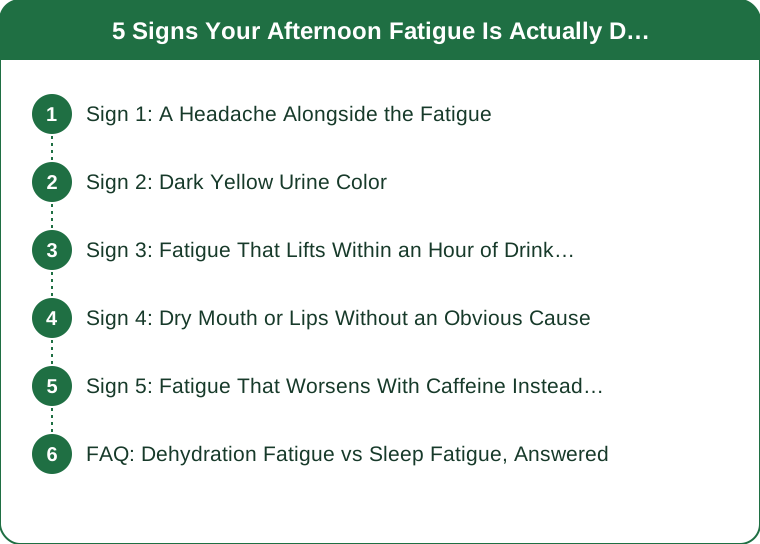
Sign 1: A Headache Alongside the Fatigue
A dull, band-like headache appearing alongside fatigue, rather than a sharp or one-sided headache, is a common dehydration signal since even mild fluid loss reduces blood volume and can affect blood flow to the brain. Sleep-related fatigue on its own less commonly comes paired with this specific headache pattern.
Sign 2: Dark Yellow Urine Color
Urine that’s noticeably darker yellow than pale straw color is one of the more reliable physical indicators of inadequate hydration, and checking this simple marker during an afternoon slump can clarify whether dehydration is a contributing factor before assuming it’s purely sleep-related.
Sign 3: Fatigue That Lifts Within an Hour of Drinking Water
If drinking a full glass or two of water noticeably improves energy within 30-60 minutes, that’s a strong sign hydration was the actual driver, since true sleep debt doesn’t resolve that quickly regardless of what you drink. This response test is one of the clearest ways to distinguish the two causes in the moment.

Sign 4: Dry Mouth or Lips Without an Obvious Cause
Persistent dry mouth or lips, especially in the afternoon after a day of coffee or minimal water intake, often accompanies dehydration fatigue specifically, and tends not to be a typical companion symptom of fatigue that’s purely due to insufficient sleep the night before.
Sign 5: Fatigue That Worsens With Caffeine Instead of Improving
Caffeine has a mild diuretic effect, so if a coffee seems to make an afternoon slump feel worse rather than better, that can indicate the fatigue was dehydration-related rather than purely sleep-related, since caffeine typically does help with sleep-debt fatigue, at least temporarily.
FAQ: Dehydration Fatigue vs Sleep Fatigue, Answered
Can both dehydration and poor sleep be contributing at the same time?
Yes, very commonly — they’re not mutually exclusive, and addressing hydration first is a quick way to rule out one variable before concluding the fatigue is purely about sleep.
How much water actually helps with this kind of fatigue?
A full glass or two (roughly 16-20 oz) is generally enough to notice a difference within an hour if dehydration was a meaningful factor.
Is it possible to be dehydrated even if I’m drinking water throughout the day?
Yes — inconsistent intake, high caffeine consumption, or increased needs from heat or activity can still lead to mild dehydration even with regular water intake, which is why checking urine color periodically is a useful habit.
TL;DR:
- A dull headache alongside fatigue is a common dehydration signal, unlike typical sleep-debt fatigue
- Dark yellow urine is one of the most reliable physical dehydration indicators
- Fatigue improving within an hour of drinking water strongly suggests dehydration was the cause
- Caffeine making fatigue feel worse, not better, can point to dehydration rather than pure sleep debt
Checking hydration first is a quick, easy way to rule out one variable before assuming every afternoon slump is about sleep.
Keep Reading
This article is for general informational purposes only and is not medical advice. It is not a substitute for professional diagnosis or treatment. Always consult a qualified healthcare provider about your individual situation, especially before making significant changes to your diet or exercise routine.