Why Bad Posture Makes You More Tired, Not Just More Sore
Quick Answer: Slumped posture compresses your diaphragm and restricts full breaths, which lowers oxygen intake and raises perceived fatigue over an 8-hour workday — even without any physical exertion. Sitting upright with an open chest is one of the fastest free energy fixes available at a desk.
You’re not overworked, exactly — you’re just tired in a low-grade, all-day way that a coffee barely touches. Look down at your shoulders right now. If they’re rounded and your chin is jutting toward the screen, that posture might be doing more to your energy than your actual workload is.

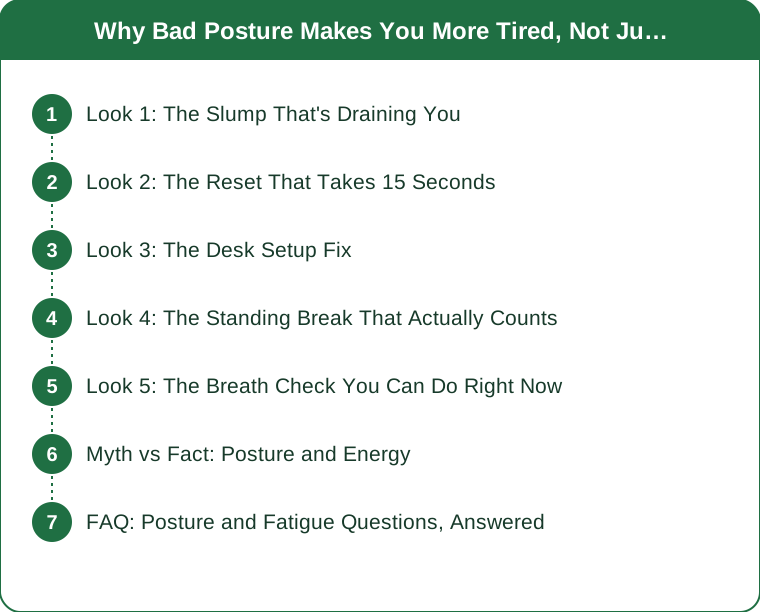
Look 1: The Slump That’s Draining You
Rounded shoulders and a forward head position compress the chest cavity, which shrinks the amount of air your lungs can pull in per breath. Over hours, that adds up to shallower, more frequent breathing — your body working harder for the same oxygen, which reads as fatigue by mid-afternoon.
The effect compounds through the day: a slump at 9am is a minor posture note, but the same slump held through six hours of meetings and email means thousands of shallower breaths, each one delivering slightly less oxygen than it should. That’s why the fatigue tends to feel worse at 3pm than at 10am, even when the workload hasn’t actually changed.
Look 2: The Reset That Takes 15 Seconds
Roll your shoulders back and down, lift your sternum slightly, and take one deep breath through the nose. This single reset can be done every 30-45 minutes without leaving your chair, and it directly counters the compression that builds up during focused screen work.
Pairing the reset to something you already do often makes it stick — every time you send an email, every time a meeting ends, every time you refill your water. The habit works better attached to a trigger than to a vague intention to “remember” throughout the day.
Look 3: The Desk Setup Fix
Raise your monitor so the top third sits at eye level — this alone prevents most of the forward head lean that starts the whole slump. A stack of books under a laptop works as well as a $40 stand if you need a quick fix today.
Check your chair depth too: if the seat pushes your knees noticeably higher than your hips, it tilts your pelvis backward and makes the whole upper-body slump nearly automatic, no matter how aware you are of your shoulders. A folded towel or small cushion under the back of the thighs can correct this in seconds.

Look 4: The Standing Break That Actually Counts
A 2-minute standing stretch every hour resets your spine’s natural curve and gives your diaphragm room to fully expand again. This matters more than the step count — it’s about undoing compression, not burning calories.
Look 5: The Breath Check You Can Do Right Now
Place one hand on your chest, one on your belly. Breathe normally — if only your chest hand moves, you’re breathing shallow from posture compression. Belly breathing 5 times resets this instantly and can be done seated, unnoticed, mid-meeting.
Run this check once in the morning and once mid-afternoon for a week — most people are surprised at how consistently the chest-only pattern shows up right around the same time each day, usually whichever stretch of meetings or focused work runs longest.
Myth vs Fact: Posture and Energy
Myth: Feeling tired at a desk job just means you need more sleep. Fact: Sleep matters, but posture-driven shallow breathing creates a same-day energy drain that no amount of extra sleep the night before fully offsets.
Myth: A better chair fixes posture fatigue. Fact: A supportive chair helps, but it doesn’t force good posture — the habit of resetting your position every 30-45 minutes matters more than the furniture underneath you.
Myth: Posture fatigue is just in your head. Fact: It’s measurable — shallow, chest-only breathing genuinely reduces oxygen intake over hours, which is a physiological cause, not just a feeling.
FAQ: Posture and Fatigue Questions, Answered
Can bad posture really cause tiredness, not just back pain?
Yes — chest compression from slumping reduces breath volume, and shallower breathing throughout the day is linked to increased perceived fatigue, separate from any muscular soreness.
How often should I check my posture during a workday?
Every 30-45 minutes is a practical target — set a silent phone reminder if you tend to lose track during focused work.
Does standing all day fix this instead of sitting?
Not automatically — slumped standing compresses the chest the same way slumped sitting does. The fix is the position of your spine and shoulders, not whether you’re seated or standing.
TL;DR:
- Slumped posture compresses your chest and shallows your breathing, which drains energy over a full workday
- Reset shoulders and take one deep breath every 30-45 minutes
- Raise your monitor to eye level to prevent the forward head lean that starts the slump
- A better chair helps, but the habit of resetting posture matters more
Check your shoulders right now, roll them back, and take one real breath — it’s the fastest free energy fix on this list.
Keep Reading
This article is for general informational purposes only and is not medical advice. It is not a substitute for professional diagnosis or treatment. Always consult a qualified healthcare provider about your individual situation, especially before making significant changes to your diet or exercise routine.