5 Desk Fixes for the Weeks Between Air Conditioning and Heating
Quick Answer: In the weeks between cooling and heating, offices swing several degrees across a single day, and the specific consequences at a desk are cold hands and forearms, stiffer shoulders in the morning, drier eyes as air movement changes, colder feet, and less incidental movement because nobody wants to go outside at lunchtime. Each has a direct fix that takes under five minutes to set up. Doing all five costs about twenty minutes once and pays for the whole season.
It was 26 degrees in the office last month and it will be 22 with the heating on next month. Right now it is 19 at nine and 24 at three, and your body is registering every bit of it.

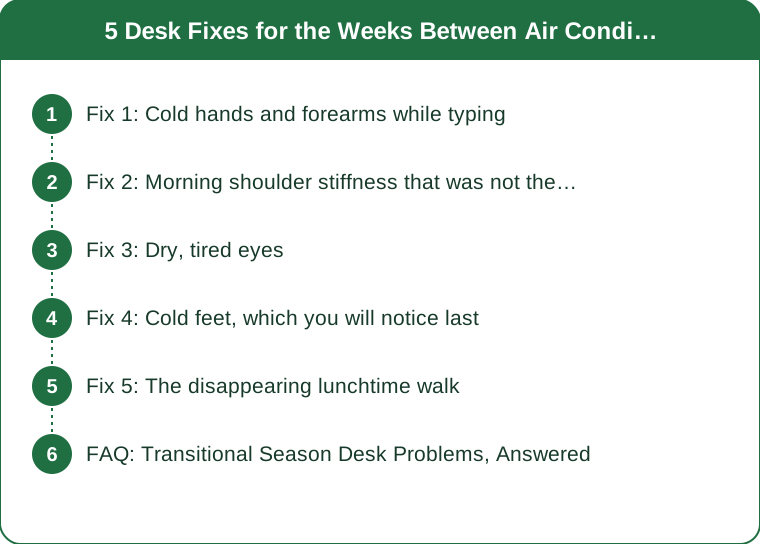
Fix 1: Cold hands and forearms while typing
Cold hands stiffen the small muscles and tendons you type with, and stiffer tissue means more perceived effort per keystroke. It is the most common transitional-season complaint at a desk and the easiest to solve.
Warm your hands before you start, not after they ache. Thirty seconds under warm water, or a warm mug held for a minute, changes the first hour meaningfully.
Add fingerless gloves or wrist warmers if your desk is near a window or a vent. They look mildly eccentric for about a day and then everyone else asks where you got them.
Move the mouse hand periodically. Open and close the hand fully, spread the fingers, and rotate the wrists a few times each hour - it takes fifteen seconds and it keeps circulation moving in the tissue doing the most repetitive work.
Fix 2: Morning shoulder stiffness that was not there in August
Cooler mornings mean people arrive already slightly hunched, and then sit down into the same position. The shoulders-up posture from a cold commute carries straight into the working day.
Do two minutes of shoulder work before opening your laptop. Shoulder rolls backward, arms overhead, and a doorway chest stretch. Before the laptop, not after the first meeting - the order matters because once you start, you will not.
Raise your screen so you are not looking down. Looking down loads the neck considerably more than looking straight ahead, and a laptop on a bare desk guarantees it. A stack of books works as well as a stand.
Set an hourly reminder for the first fortnight. Once the habit exists you can drop the reminder, but the transitional weeks are exactly when new postural habits form badly.
Fix 3: Dry, tired eyes
Air movement across the face increases tear evaporation, and screen work reduces blink rate. The combination is why eyes feel worse in a season where the ventilation pattern is changing.
Move out of the direct airflow if you can. A vent blowing across your face is the single biggest controllable factor, and moving the chair by half a metre often solves it entirely.
Use the 20-20-20 approach. Every twenty minutes, look at something around twenty feet away for about twenty seconds. It is widely recommended for screen-related eye strain and it takes no equipment.
Blink deliberately and drink water. Blink rate drops substantially during concentrated screen work, and conscious blinking during reading helps. If dryness is persistent or painful, see an optometrist or clinician - this is general information, not medical advice.

Fix 4: Cold feet, which you will notice last
Feet are furthest from the core and closest to the floor, and they get cold before you consciously register it. Cold feet also make people sit more still, which compounds everything else.
Keep a spare pair of proper socks in your desk drawer. It sounds trivial and it is one of the most-reported small wins in any office.
Get your feet off a cold floor. A footrest, a folded jumper, or even a closed box changes the temperature at floor level noticeably, and it improves your seated posture at the same time.
Change out of commuting shoes if they got wet. Damp shoes keep your feet cold all day, and the transitional weeks are when unexpected rain catches people who have not started carrying an umbrella again.
Fix 5: The disappearing lunchtime walk
Incidental movement drops sharply as the weather turns, and it is the largest single change to your daily activity. Nobody decides to stop walking at lunch; it just quietly stops happening.
Go out anyway, and go earlier. Daylight in the middle of the day supports both mood and body clock timing, and the amount available is dropping week by week from here.
Keep a coat at the office rather than relying on carrying one. The barrier to a fifteen-minute walk is almost always not having the right layer to hand.
Attach the walk to something. Coffee, a phone call, or posting something. An errand survives bad weather far better than an intention does.
And treat it as the highest-value item on this list. The other four fixes make sitting more comfortable. This one is the one that addresses the sitting itself, and it is the first thing people lose when the season turns.
FAQ: Transitional Season Desk Problems, Answered
Why do my hands get cold at my desk?
Reduced circulation to the extremities in a cool room, made worse by sitting still and by proximity to windows or vents. Warming your hands before you start, wrist warmers, and brief hourly hand movement address most of it.
Why are my shoulders stiffer in autumn than summer?
Cooler commutes tend to produce a hunched posture that carries into the working day, and lower incidental movement means it does not get undone. Two minutes of shoulder work before opening the laptop makes the most difference.
Why do my eyes feel drier at this time of year?
Changing ventilation patterns increase air movement across the face, which raises tear evaporation, while screen work reduces blink rate. Moving out of direct airflow, blinking consciously, and regular distance breaks help.
How do I keep walking at lunch as the weather turns?
Keep a coat at the office, go earlier when there is more daylight, and attach the walk to an errand. Intentions survive bad weather poorly; errands survive it well.
TL;DR:
- The transitional weeks bring five specific desk problems: cold hands, stiffer shoulders, drier eyes, cold feet, and a vanishing lunchtime walk.
- Warm your hands before you start typing and move them briefly each hour.
- Do two minutes of shoulder work before opening the laptop, and raise the screen so you are not looking down.
- Move out of direct airflow, blink deliberately, and take regular distance breaks for your eyes.
- Keep spare socks and a coat at your desk, get your feet off the cold floor, and attach the lunchtime walk to an errand.
Twenty minutes of setup once covers the whole season. The walk is the one that matters most - protect that first.
Keep Reading
This article is for general informational purposes only and is not medical advice. It is not a substitute for professional diagnosis or treatment. Always consult a qualified healthcare provider about your individual situation, especially before making significant changes to your diet or exercise routine.