5 Evening Habits That Decide How Stiff You Feel in the Morning
Quick Answer: Morning stiffness is largely determined by what happened in the evening - how long you spent in one position, how warm you stayed, how well you slept, and whether you moved at all after dinner. The five habits that make the most difference are a short movement break after sitting all evening, keeping your feet and hands warm, five minutes of hip and spine mobility before bed, a consistent sleep window, and hydrating earlier in the day rather than late at night.
If you wake up stiff every morning, the cause is usually in the four hours before you went to bed, not in the eight after.

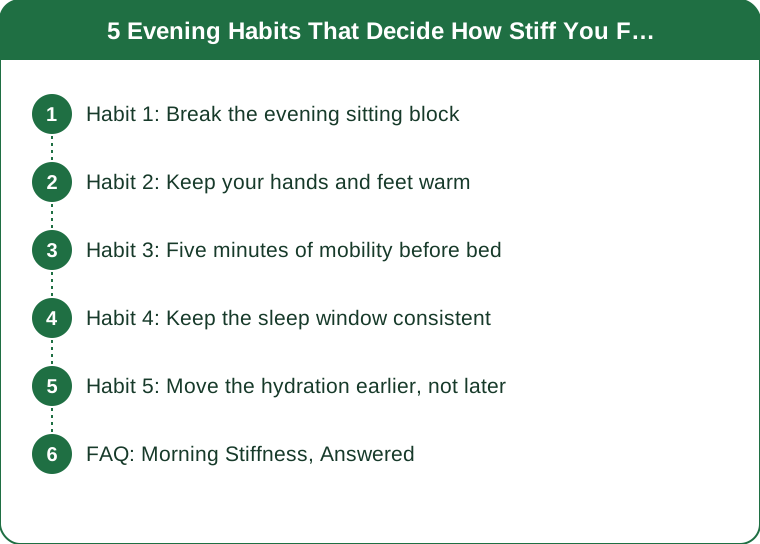
Habit 1: Break the evening sitting block
The single largest contributor, and the one almost nobody counts.
Most people sit for the entire evening. Dinner, then a sofa, then bed - which can be three or four unbroken hours in one position, on top of a working day that was already largely seated. The body then goes into another seven or eight hours of stillness overnight, meaning eleven or twelve hours of very little movement in total.
Tissue adapts to the position it spends time in. Hip flexors, hamstrings, and the muscles along the spine all shorten and stiffen in a seated position, and fluid movement through joints slows when you do not move.
What works:
- Get up every 45 minutes or so during the evening. A walk to the kitchen counts. This is not about exercise, it is about interrupting the block.
- Stand for one part of the evening - a phone call, a programme, tidying up.
- Change how you sit. Floor sitting, cross-legged, kneeling, and changing position periodically all keep more range available than a single sofa position.
The soft sofa is worth a specific mention. A deep, soft sofa puts most people into a slumped position with the pelvis tucked and the lower back rounded. Two or three hours in that position every night is a substantial daily dose, and sitting on a firmer seat for part of the evening changes it more than any stretch does.
Habit 2: Keep your hands and feet warm
The habit that sounds trivial and produces a noticeable difference within a few nights.
Stiffness is affected by temperature. Cool tissue is less pliable, and joints feel stiffer when cold. This is why morning stiffness is worse in autumn and winter than in July - it is one of the most consistent seasonal patterns people report.
Two things happen overnight: your core temperature drops as part of normal sleep physiology, and the room cools, most steeply in the early hours. In late summer and autumn, when heating is not yet on and nights are getting genuinely cold, this is at its most pronounced.
What helps:
- Socks in bed. Widely disliked and consistently effective. Warm feet also help many people fall asleep faster.
- A blanket folded across the foot of the bed to pull up in the early hours without waking properly.
- Keep the bedroom cool but the body warm - a cool room with adequate bedding sleeps better than a warm room with little.
- Warm hands before bed if you wake with stiff fingers, which is common.
A warm shower or bath in the evening helps some people both with stiffness and with sleep, because the subsequent drop in body temperature after getting out supports sleep onset.
If morning stiffness lasts more than about half an hour, affects multiple joints, or comes with swelling, get it assessed. Prolonged morning stiffness is a symptom that clinicians take seriously. This is general information, not medical advice.
Habit 3: Five minutes of mobility before bed
Small, targeted, and done in the position you are about to spend eight hours in - not a full stretching routine.
The aim is not flexibility. It is to move the joints that have been still all evening through their range once before they go still again all night.
A five-minute sequence that covers most of it:
- Cat-cow on the floor, 10 slow repetitions. Moves the whole spine in flexion and extension.
- 90/90 hip rotations, seated, 8 each side. The hips get the least movement of any joint in a seated day.
- Hip flexor stretch, half-kneeling, 30 seconds each side. Directly addresses the position you have been sitting in.
- Thoracic rotation, lying on your side with knees bent, 8 each side. The upper back is where desk work concentrates.
- Ankle circles and calf raises, 10 each. Ankles stiffen overnight and they are the first joint you load in the morning.
Slow and unforced. This is not a session, and it should not feel like effort. Anything strenuous close to bedtime raises arousal, which works against the sleep half of the equation.
Do it on the floor next to the bed, as the last thing before getting in. Attaching it to an existing fixed point is what makes it survive past the second week - a mobility routine with no trigger gets done four times and abandoned.

Habit 4: Keep the sleep window consistent
The habit with the largest indirect effect, because poor sleep amplifies everything else.
Sleep quality affects perceived pain and stiffness. Poor or fragmented sleep is associated with increased pain sensitivity, which means the same physical stiffness feels worse after a bad night. A large part of variable morning stiffness is variable sleep, not variable tissue.
What matters most is consistency of timing, particularly wake time. A fixed wake time seven days a week anchors the whole sleep-wake system more effectively than any bedtime rule.
Practical evening supports:
- Dimmer light in the last hour or two. Lamps rather than overheads.
- A consistent wind-down sequence, in the same order each night. The sequence itself becomes the signal.
- A cool bedroom - commonly cited as somewhere around 16 to 19°C for most adults.
- Watch late alcohol. It shortens time to sleep and then fragments the second half of the night, which is exactly the period that determines how you feel on waking.
And the position you sleep in matters less than people think, with one exception: if you consistently wake with the same one-sided neck or shoulder stiffness, pillow height is worth investigating. The pillow should keep your head roughly in line with your spine - which means a different height for side sleeping than for back sleeping.
Habit 5: Move the hydration earlier, not later
A small change that addresses two problems at once.
Hydration status affects how tissue feels, and most people drink least in the evening and overnight, which is the longest gap in the day. Then they compensate with a large glass of water right before bed, which does little for tissue and a great deal for waking up at 3am.
The better pattern is front-loading: most of your intake through the day, tapering in the last two hours before bed. This maintains hydration overnight without the interrupted sleep, and interrupted sleep is itself one of the drivers of morning stiffness.
In autumn and winter this needs deliberate attention, because cold weather reduces thirst noticeably. Most people drink meaningfully less in October than in July without noticing, and warm drinks count toward the total.
Two related evening details:
- Caffeine has a long half-life. An afternoon coffee is still active at bedtime for many people, and it fragments sleep even when you fall asleep normally.
- A large late meal can disrupt sleep quality, particularly with reflux, which itself causes waking and position changes.
Putting the five together: interrupt the evening sitting block, stay warm, five minutes of mobility on the floor before bed, a consistent wake time, and drink earlier in the day. None of them takes real time, and the combination changes the first twenty minutes of the day more than any morning routine does.
If morning stiffness is prolonged, severe, involves swelling, or is worsening, see a clinician. This is general information, not medical advice.
FAQ: Morning Stiffness, Answered
How long should morning stiffness last?
A few minutes of stiffness that eases as you move is common. Stiffness lasting more than about half an hour, especially in multiple joints or with swelling, is worth having assessed.
Does stretching in the morning help?
It helps you feel better immediately, but the causes are largely built the evening before. Doing both is better than doing only the morning half.
Is a firmer mattress better?
Mattress firmness preference is highly individual and the evidence does not support one answer for everyone. Pillow height has clearer effects on neck stiffness specifically.
Why is it worse in cold weather?
Cooler tissue is less pliable, rooms are colder overnight, and people move less in general. All three push in the same direction from autumn onward.
Does exercise make morning stiffness better or worse?
Regular moderate movement generally improves it. An unusually hard or novel session can produce next-day soreness that is a separate thing from ordinary stiffness.
TL;DR:
- Evening sitting is the largest single contributor - break it every 45 minutes and vary the seat
- Warm feet and hands overnight; cool tissue is stiffer, which is why autumn makes it worse
- Five minutes of spine, hip, and ankle mobility on the floor before bed, attached to an existing habit
- A consistent wake time matters more than a bedtime rule, because poor sleep amplifies stiffness
- Drink earlier in the day and taper before bed, so hydration does not cost you a night waking
Morning stiffness feels like something that happens to you overnight, which is why people try to fix it in the morning. Almost all of it is built in the four hours before bed, and five small changes to that window do more than any amount of stretching at 7am.
Keep Reading
This article is for general informational purposes only and is not medical advice. It is not a substitute for professional diagnosis or treatment. Always consult a qualified healthcare provider about your individual situation, especially before making significant changes to your diet or exercise routine.