5 Signs Your Afternoon Energy Crash Is Actually a Blood Sugar Problem
Quick Answer: Shakiness, irritability before eating, crashing 1-2 hours after a carb-heavy meal, craving sugar specifically (not just any food), and headaches that resolve after eating are the clearest signs an energy crash is blood sugar related rather than sleep or stress related.
The 2pm slump gets blamed on sleep and stress by default, but for a lot of people the real pattern is sitting right there in what and when they last ate.

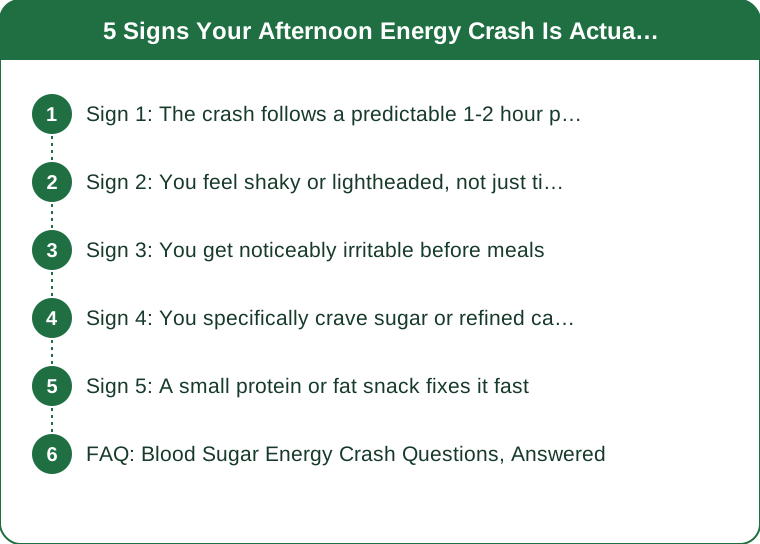
Sign 1: The crash follows a predictable 1-2 hour pattern after eating
If your energy dip consistently shows up 60-120 minutes after a carb-heavy meal (not randomly throughout the day), that timing lines up with a blood sugar spike-and-crash pattern rather than general fatigue, which tends to be more constant throughout the day.
Sign 2: You feel shaky or lightheaded, not just tired
Genuine physical shakiness or lightheadedness, distinct from mental fogginess or low motivation, points more specifically toward blood sugar dropping below a comfortable range rather than sleep debt, which usually presents as heaviness and slow thinking without the shaky, jittery quality.
Sign 3: You get noticeably irritable before meals
Irritability or a short temper that reliably shows up when a meal is delayed or skipped, then resolves within 20-30 minutes of eating, is a classic blood sugar signal sometimes called “hangry” that stress-based fatigue doesn’t typically produce in the same fast, food-responsive pattern.

Sign 4: You specifically crave sugar or refined carbs, not food in general
A crash that comes with a specific craving for something sweet or starchy, rather than general hunger for any food, often reflects the body signaling for fast glucose rather than genuine caloric need, a distinct pattern from stress eating or normal hunger.
Sign 5: A small protein or fat snack fixes it fast
If eating a handful of nuts or a piece of cheese resolves the crash within 15 minutes, that fast response points toward blood sugar stabilization as the mechanism — sleep-debt fatigue doesn’t typically respond that quickly to a small snack.
FAQ: Blood Sugar Energy Crash Questions, Answered
What should I eat to prevent the crash in the first place?
Pairing carbs with protein or fat (like fruit with nut butter, or bread with eggs) slows glucose absorption and reduces the spike-and-crash pattern significantly.
Is this the same as being diabetic or pre-diabetic?
Not necessarily — this pattern (reactive hypoglycemia) can happen in people with normal blood sugar regulation, though persistent symptoms are worth mentioning to a doctor.
How is this different from a caffeine crash?
Caffeine crashes tend to bring more headache and mental fog with less of the shaky, irritable-before-eating pattern that’s specific to blood sugar swings.
TL;DR:
- A crash 1-2 hours after eating, shakiness, pre-meal irritability, specific sugar cravings, and fast relief from a small snack together point to blood sugar
- Pairing carbs with protein or fat at meals reduces the spike-and-crash pattern
- This pattern can happen without a diabetes diagnosis, but persistent symptoms are worth a doctor visit
Once you notice the pattern, it gets a lot easier to fix with meal timing than to just push through with more coffee.
Keep Reading
This article is for general informational purposes only and is not medical advice. It is not a substitute for professional diagnosis or treatment. Always consult a qualified healthcare provider about your individual situation, especially before making significant changes to your diet or exercise routine.