5 Small Swaps That Actually Fixed My Afternoon Energy Crash
Quick Answer: The afternoon energy crash is usually driven by blood sugar swings from lunch, dehydration, and prolonged sitting — small swaps at each of those three points do more than any single big change, including cutting caffeine entirely.
The 2-4pm crash isn’t just “normal tiredness” — it’s usually a predictable, fixable pattern once you target the actual causes instead of just pushing through it with more coffee.

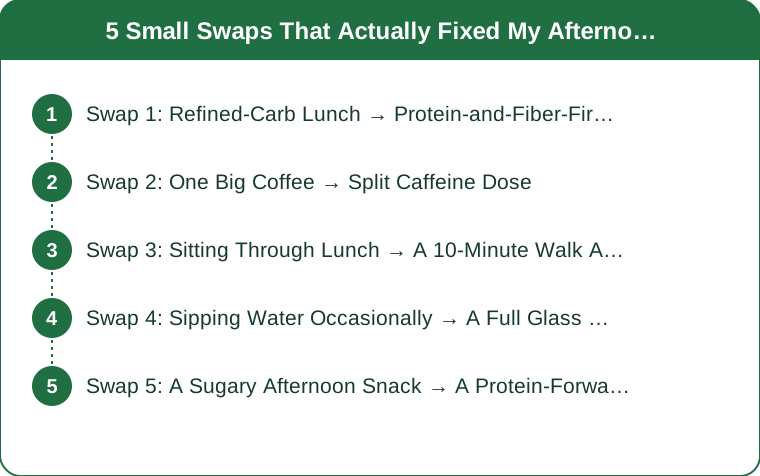
Swap 1: Refined-Carb Lunch → Protein-and-Fiber-First Lunch
A lunch heavy on refined carbs (white bread, pasta, chips) with little protein causes a sharp blood sugar spike followed by an equally sharp drop — that drop lands almost exactly in the 2-3pm window most people call the afternoon crash. Leading with protein and fiber, then adding carbs, blunts that spike-and-drop pattern significantly.
Swap 2: One Big Coffee → Split Caffeine Dose
A single large coffee in the morning means caffeine is already wearing off by early afternoon, right as the post-lunch dip is building — creating a compounding low point. Splitting the same total caffeine into a smaller morning dose and a small early-afternoon dose (before 2pm, to avoid sleep disruption) smooths out the crash instead of hitting it head-on.

Swap 3: Sitting Through Lunch → A 10-Minute Walk After Eating
A short walk after eating helps moderate the post-meal blood sugar spike and gets circulation moving after a morning of sitting — both of which directly counter the mechanisms behind the afternoon crash. Ten minutes is enough to matter; it doesn’t need to be a full workout.
Swap 4: Sipping Water Occasionally → A Full Glass Before 1pm
Mild dehydration produces fatigue symptoms that feel nearly identical to a normal energy dip, and most people are already behind on hydration by early afternoon without realizing it. A deliberate full glass of water before 1pm, rather than sipping occasionally throughout the day, closes that gap before it compounds with the post-lunch dip.
Swap 5: A Sugary Afternoon Snack → A Protein-Forward One
The instinct to reach for something sweet during a crash makes sense in the moment but usually creates a second, smaller spike-and-drop on top of the first one. A protein-forward snack (nuts, yogurt, hard-boiled egg) provides more sustained energy without setting up another crash an hour later.
TL;DR:
- The afternoon crash is mostly blood sugar swings, dehydration, and sitting — not just “being tired”
- Lead lunch with protein and fiber before carbs to blunt the spike-and-drop
- Split caffeine into two smaller doses instead of one big morning coffee
- A 10-minute post-lunch walk and a full glass of water before 1pm both measurably help
None of these five swaps require a big lifestyle change — just retiming and reordering things you’re already doing.
Keep Reading
This article is for general informational purposes only and is not medical advice. It is not a substitute for professional diagnosis or treatment. Always consult a qualified healthcare provider about your individual situation, especially before making significant changes to your diet or exercise routine.