Golfer's Elbow: Treatment, Relief, and How to Prevent It
Quick Answer: Golfer’s elbow is irritation of the tendons on the inner elbow, usually from repeated gripping and swinging. Most cases improve with relative rest, ice, a counterforce brace, gentle stretching, and gradual strengthening over a few weeks — and prevention comes down to warming up, loosening your grip, and building forearm strength before your next round.
You finish a round, shake hands, and there it is — a nagging ache on the inside of your elbow that wasn’t there last week. Golf is booming, and unfortunately, so are the elbow injuries that come with it. The good news: if this sounds like you, most cases settle down with the right rest, relief, and a few technique tweaks.
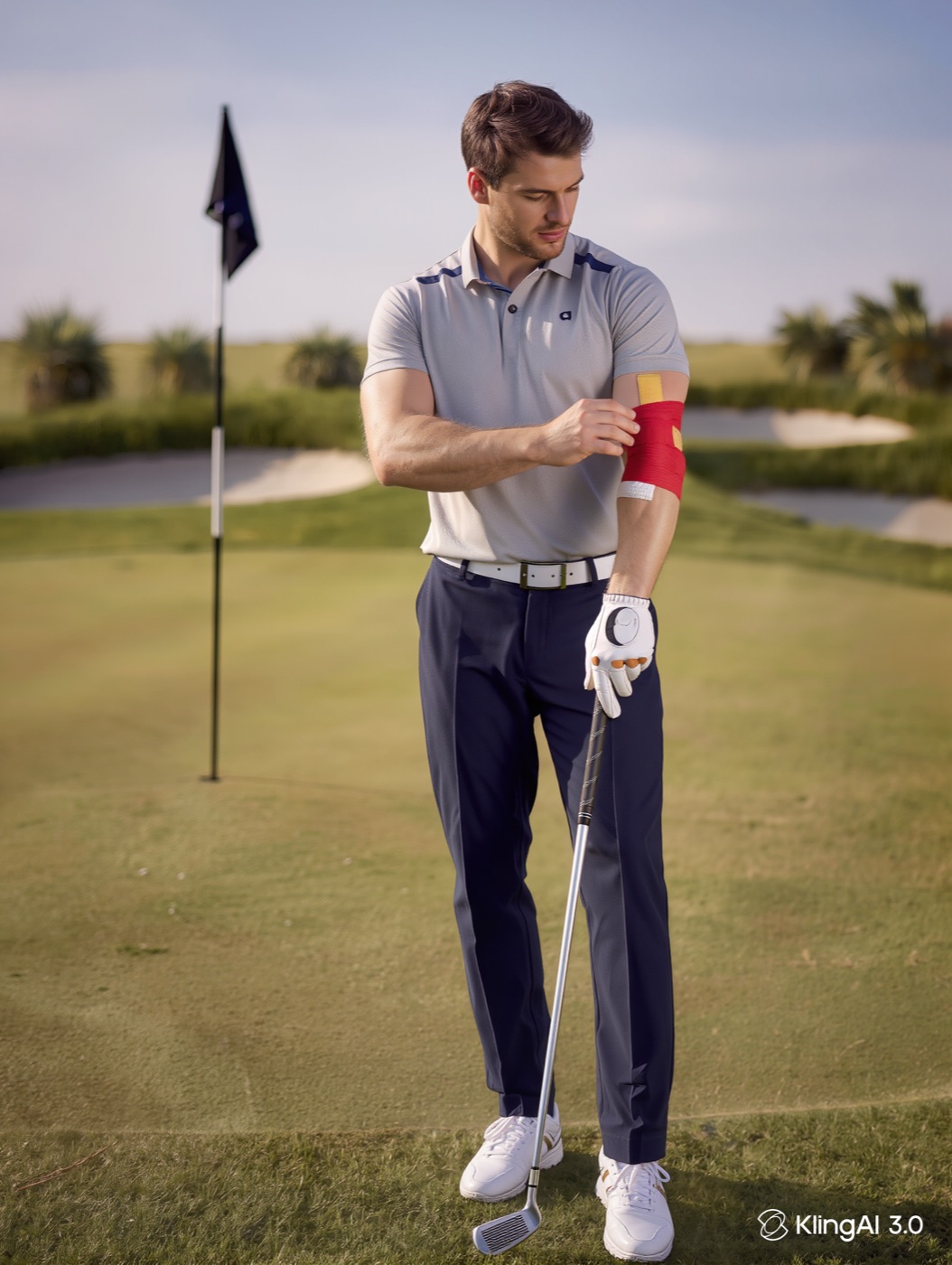
What is golfer’s elbow?
Golfer’s elbow, or medial epicondylitis, is irritation of the tendons that attach your forearm muscles to the bony bump on the inner side of your elbow. Repeated gripping, wrist flexing, and the impact of a swing — basically everything a golf swing asks of your arm — overload those tendons over time. There’s a close cousin worth knowing about too: tennis elbow affects the outer side of the elbow instead, and it’s also common in golfers, especially in the lead arm.
Here’s what to watch for:
- Pain and tenderness on the inner elbow, sometimes spreading down into the forearm.
- A weaker or achy grip — lifting, twisting, or even just gripping the club starts to hurt.
- Stiffness in the elbow, occasionally with tingling into the ring and little fingers.

How do you treat golfer’s elbow?
Most golfer’s elbow improves with consistent, patient care — not a quick fix, but a steady process. The goal is simple: calm the irritated tendon first, then gradually rebuild its tolerance for load.
- Relative rest. You don’t have to stop everything, but ease off the movements that hurt — especially heavy gripping and full swings — until the sharp pain settles down.
- Ice. Apply an ice pack to the inner elbow for about 15 minutes, a few times a day, particularly after activity, to ease pain and swelling.
- A counterforce brace or wrap. A forearm strap worn just below the elbow takes load off the tendon’s attachment point and often makes everyday use noticeably more comfortable.
- Gentle stretches. Once the worst pain eases, straighten your arm palm-up and gently draw the fingers and wrist down with your other hand until you feel a mild stretch. Hold for 20 to 30 seconds.
- Gradual strengthening. Light, slow wrist curls and wrist extensions — including the slow-lowering “eccentric” versions — rebuild tendon tolerance over time. Start with very light resistance and stop well before anything hurts.
- Over-the-counter support. Anti-inflammatory options can help in the short term, but check with a pharmacist or doctor about what’s appropriate for you specifically.
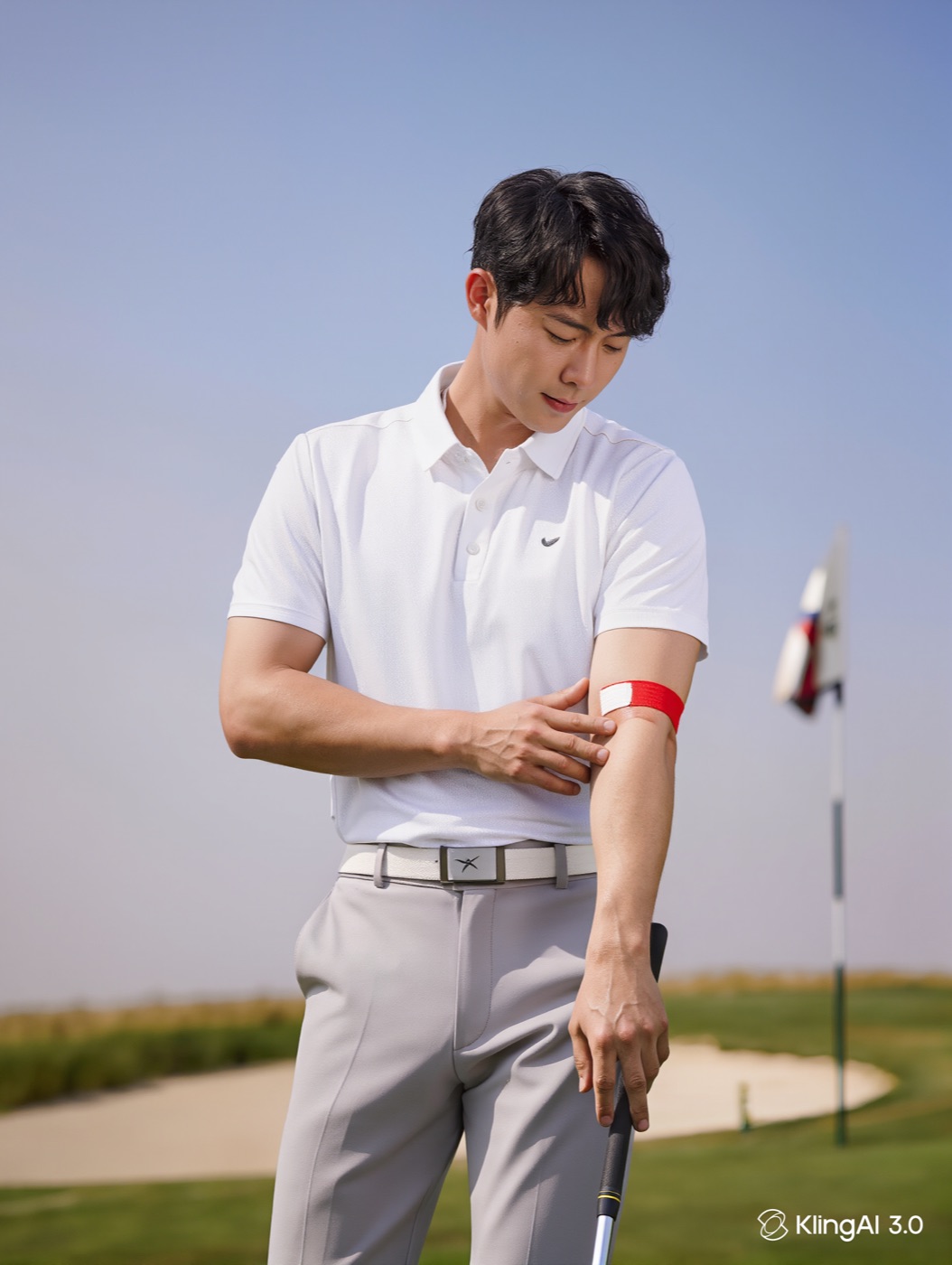
How do you prevent golfer’s elbow?
Prevention really comes down to two things: reducing overload and building resilience.
- Warm up before you play. A few arm circles, wrist rolls, and easy practice swings prepare your tendons before you throw full-speed shots at them.
- Check your grip. Gripping the club too tightly dramatically increases forearm strain. Hold it as lightly as you can while staying in control, and make sure your grip size actually fits your hands — a mismatched grip forces you to squeeze harder than necessary.
- Refine your technique. “Hitting fat” — catching the ground before the ball — and an over-the-top swing both jar the elbow with every rep. A lesson to smooth out your impact can protect your joints just as much as it protects your score.
- Build forearm and wrist strength. Stronger, more flexible forearms simply tolerate repetitive load better. A few minutes of wrist curls and stretches a couple of times a week goes a long way here.
- Increase your load gradually. Ramping up rounds or range time too fast is one of the most common triggers. Build volume slowly, and rest between heavy sessions instead of stacking them back to back.
- Take breaks. On long range sessions, pause and stretch rather than grinding through hundreds of balls in one sitting — your elbow doesn’t care how good today’s ball-striking feels.
Myth vs. Fact
Myth: Golfer’s elbow only happens to beginners with bad form. Fact: It’s an overuse injury, and plenty of experienced players get it too — often from ramping up volume too fast after time off, not from bad technique alone.
Myth: If it doesn’t hurt during your swing, you’re fine. Fact: Golfer’s elbow pain often shows up hours later or the next morning, which is exactly why so many people keep playing through the early stages without realizing damage is building.
Myth: Rest means doing absolutely nothing. Fact: Relative rest just means backing off the specific movements that hurt — heavy gripping and full swings — not shutting down every activity involving your arm.
When should you see a doctor for golfer’s elbow?
Many cases ease within a few weeks of careful self-care, but not all of them — and that’s worth taking seriously rather than pushing through. See a healthcare provider or physical therapist if the pain is severe, doesn’t improve after a few weeks of consistent care, or comes with significant swelling, numbness, or weakness in the hand, or if the elbow ever locks or gives way. A professional can confirm the diagnosis and build a targeted recovery plan so you get back on the course safely — and honestly, the plan they build usually gets you back faster than guessing on your own.

FAQ
How long does golfer’s elbow take to heal?
Most mild to moderate cases improve within a few weeks of consistent rest, ice, and gentle rehab, though full recovery with strengthening can take longer. Cases that don’t improve after several weeks are worth having checked by a professional.
Can you still golf with golfer’s elbow?
Sometimes, in moderation — but pushing through sharp pain usually sets recovery back rather than helping it. Ease off full swings and heavy gripping until pain calms down, then reintroduce play gradually alongside your strengthening work.
What’s the difference between golfer’s elbow and tennis elbow?
Golfer’s elbow affects the tendons on the inner side of the elbow, while tennis elbow affects the outer side. Both come from repetitive gripping and wrist motion, and golfers can actually get either one — tennis elbow shows up often in the lead arm.
TL;DR:
- Golfer’s elbow is tendon irritation on the inner elbow from repeated gripping and swinging.
- Treat it with relative rest, 15-minute ice sessions, a counterforce brace, gentle 20–30 second stretches, and gradual strengthening.
- Prevent it by warming up, loosening your grip, refining your swing technique, and building forearm strength a couple times a week.
- Ramp up rounds or range time gradually — sudden volume increases are a common trigger.
- See a doctor or physical therapist if pain is severe, lingers past a few weeks, or comes with numbness, weakness, or the elbow giving way.
Keep Reading
This article is for general informational purposes only and is not medical advice. It is not a substitute for professional diagnosis or treatment. Always consult a qualified healthcare provider about your individual situation, especially before making significant changes to your diet or exercise routine.