Eight Glasses, Coffee Crimes and Clear Pee: Hydration Myths on Trial
Quick Answer: The 8-glasses rule is a guideline, not a law — real needs vary by body, weather, and food intake. Coffee counts toward your hydration total rather than working against it, clear urine means you’re overdoing it (pale straw is the actual target), and thirst is a working gauge your body has been running long before any app existed. The gallon jug is optional.
Hydration culture has escalated: emotional-support gallon jugs, hourly alarm apps, guilt about coffee. Time for a friendly trial of the folklore — because your kidneys have been running a sophisticated operation this whole time without an app.

Do You Actually Need Eight Glasses of Water a Day?
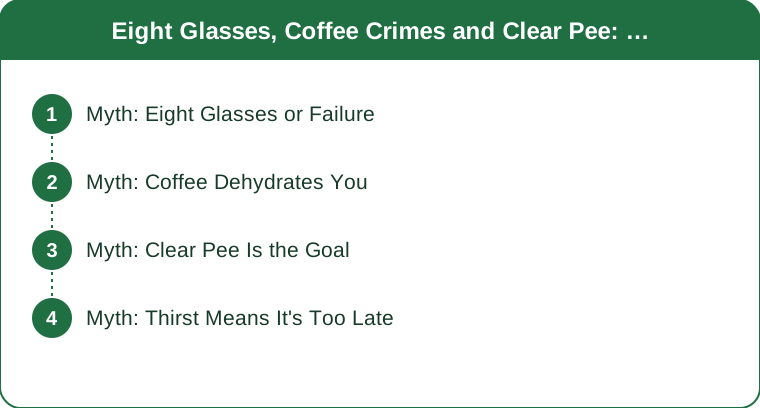
The 8x8 rule was never based on solid science to begin with — actual needs vary by body size, activity level, weather, and even lunch, since food carries 20-30% of your total water intake without you having to drink a drop of it. Verdict: guideline at best, not a hard requirement. Your thirst is a better lawyer than the rule ever was, and it’s been running this case successfully long before hydration apps existed.
Does Coffee Actually Dehydrate You?
Not the way the myth claims. Habitual coffee’s mild diuretic effect is smaller than the amount of water it actually delivers — your latte genuinely counts toward your daily total rather than subtracting from it. Verdict: acquitted, at least for regular coffee drinkers whose bodies have adapted to caffeine’s mild diuretic effect. Alcohol, on the other hand, remains guilty as charged — its dehydrating effect is real and isn’t offset the same way.
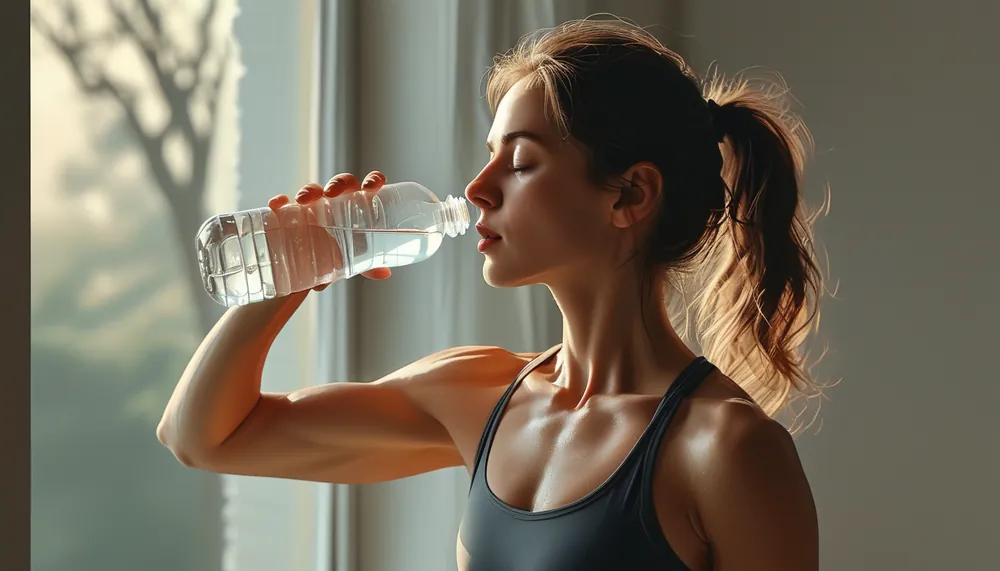
Is Completely Clear Urine the Hydration Goal to Aim For?
No — crystal-clear actually means you’re overdoing it, not winning at hydration. Pale straw is the real target color, and anything consistently clearer than that suggests you’re drinking more than your body needs. Verdict: your toilet has been publishing free hydration reports daily this whole time — read them, aim for pale straw, and move on with your day instead of chasing an even paler result.
Does Feeling Thirsty Mean You’re Already Behind on Water?
Not for most everyday situations. Thirst is a working gauge, not a failure alarm — it’s your body’s built-in early-warning system, not evidence you’ve already messed up. It does lag slightly during heat and intense exercise, which is the one context where drinking ahead of thirst genuinely makes sense. For ordinary desk-life hydration, though, thirst is simply your body texting you first, well before anything close to a real problem. Verdict: trust it, with summer and workout footnotes.
Myth vs. Fact: Hydration Roundup
- Myth: Everyone needs exactly eight glasses of water a day. Fact: Needs vary by body, weather, and food intake — the number was never a precise, universal target to begin with.
- Myth: Coffee is dehydrating and doesn’t count toward your water intake. Fact: For regular coffee drinkers, the water delivered outweighs the mild diuretic effect — it counts toward your total.
- Myth: The clearer your urine, the better hydrated you are. Fact: Completely clear typically means you’re overhydrating; pale straw is the actual healthy target.
- Myth: Feeling thirsty means you’re already dehydrated. Fact: For everyday situations, thirst is a normal, functioning early gauge — not a sign you’ve already fallen behind, except in heat or intense exercise.
Hydration Myths FAQ
Do I really need to carry a gallon jug of water everywhere?
No — the gallon-a-day trend isn’t based on a universal requirement, and most people can meet their actual needs through a combination of drinking to thirst and normal food and beverage intake, including coffee.
Should I worry if my urine isn’t completely clear?
Not at all — pale straw is the actual target, and consistently clear urine is more often a sign of overhydration than ideal hydration. There’s no benefit to pushing past pale straw toward completely colorless.
Is it true I should drink water even if I’m not thirsty?
For most everyday situations, no — thirst is a reliable, functioning signal. The main exception is heat or intense exercise, where thirst can lag slightly behind your actual needs, making it worth drinking a bit ahead of feeling thirsty in those specific conditions.
Does everyone need the same amount of water regardless of body size or activity level?
No — this is exactly why the 8x8 rule falls apart under scrutiny. Body size, activity level, climate, and diet all shift actual water needs meaningfully, which is why a single fixed number was never going to work for everyone equally.
Bottom Line
The jug is optional, the coffee counts, straw-colored wins, and thirst mostly knows. Hydration was never a personality test — drink when your body asks, and a little extra when the sun does.
TL;DR:
- The 8-glasses rule is a rough guideline, not a precise universal requirement
- Regular coffee counts toward your hydration total; alcohol still doesn’t
- Pale straw urine is the real target — completely clear means overhydration
- Thirst is a reliable, working signal for everyday situations
- Drink ahead of thirst only in heat or during intense exercise
Keep Reading
This article is for general informational purposes only and is not medical advice. It is not a substitute for professional diagnosis or treatment. Always consult a qualified healthcare provider about your individual situation, especially before making significant changes to your diet or exercise routine.