Knee Pain Exercises: Safe, Low-Impact Moves to Build Strength
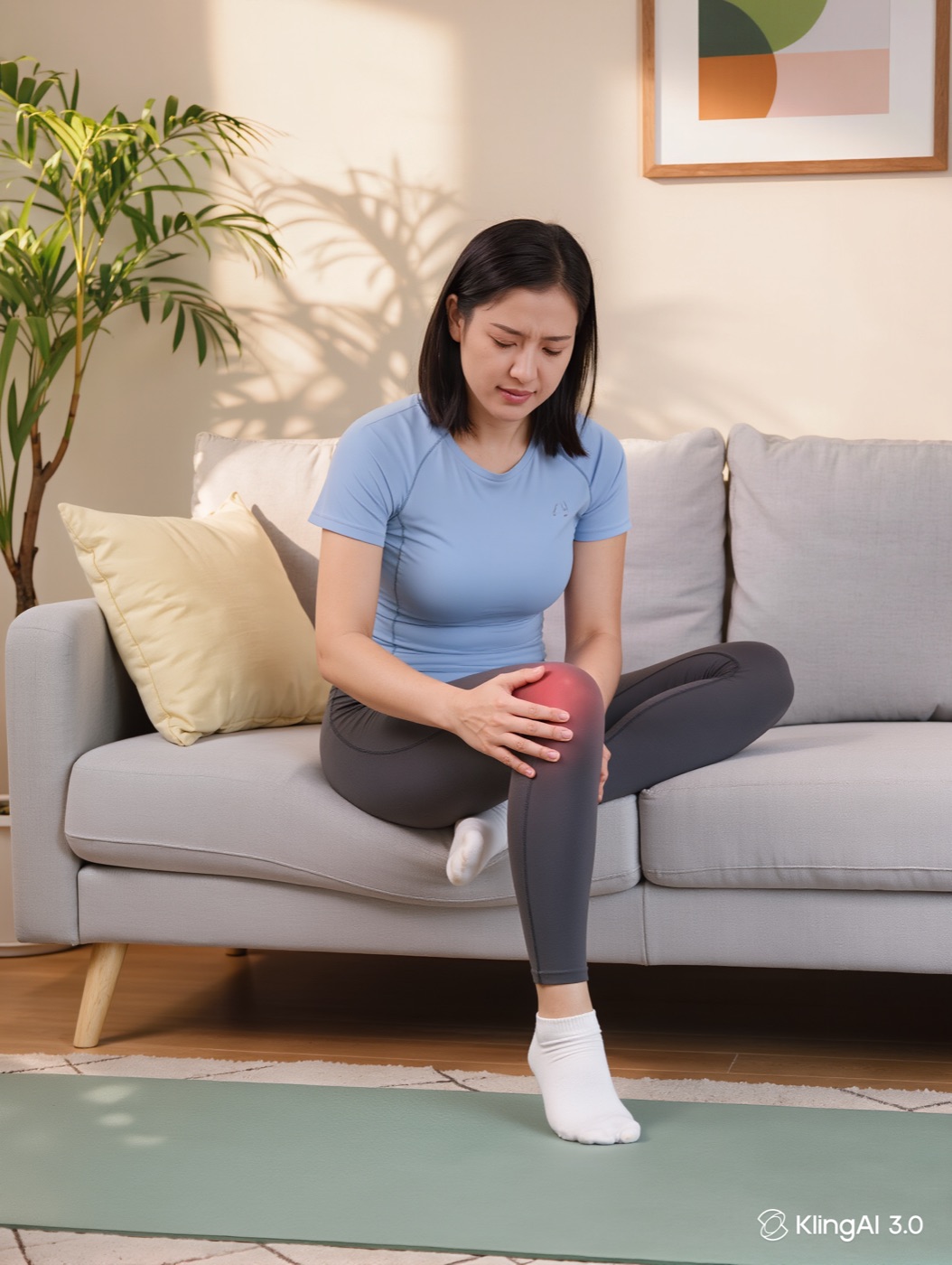
Knee pain can make you want to rest the joint completely — but for most everyday aches, gentle movement is exactly what helps. The right low-impact exercises build the muscles around the knee, take pressure off the joint, and keep it mobile. Here's a safe, beginner-friendly routine, plus the moves to skip while your knees are sore.
Why exercise helps knee pain
The knee relies on the muscles around it — especially the quadriceps (front of the thigh), hamstrings (back), and glutes (hips) — to absorb load and keep the joint stable. When those muscles are weak, the knee takes more of the strain. Strengthening them gives the joint the support it needs, while gentle motion keeps it lubricated and reduces stiffness. The goal is strength without strain: work the muscles, not the joint.
Safe, low-impact knee exercises
Move slowly and stay in a pain-free range. Mild discomfort is okay; sharp pain is a signal to stop. Start with one set of 8–12 reps and build up.
- Straight-leg raises. Lie on your back, one knee bent with the foot flat, the other leg straight. Tighten the thigh and lift the straight leg to about the height of the bent knee. Lower slowly. This builds the quads without bending the sore knee.
- Seated knee extensions. Sit tall in a chair and slowly straighten one knee until the leg is roughly level, hold for a second, then lower. Great for gently strengthening the front of the thigh.
- Wall sits (partial). With your back against a wall, slide down only a few inches and hold for 5–10 seconds. Keep it shallow — never deeper than comfortable.
- Glute bridges. Lie on your back, knees bent, feet flat. Squeeze your glutes and lift your hips into a gentle bridge. This strengthens the hips, which take load off the knees.
- Hamstring curls (standing). Hold a chair for balance and slowly bend one knee to bring your heel toward your buttock, then lower. Strengthens the back of the thigh.
- Calf raises. Rise onto your toes and lower slowly. Strong calves help absorb impact and support the knee.

Low-impact cardio that's kind to knees
- Walking on flat, even ground — start short and build up.
- Swimming or water walking — the water supports your weight while you move freely.
- Cycling (stationary or flat routes) with the seat set high enough that your knee isn't over-bending.
What to avoid while your knees are sore
- Deep squats and deep lunges that load the joint at sharp angles.
- High-impact moves like jumping, running on hard surfaces, or fast direction changes.
- Pushing through sharp pain. Discomfort that lingers or worsens the next day means ease off.
- Sitting still for hours. Stiffness loves stillness — get up and move a little regularly.
Extra tips for happier knees
- Warm up first with a few minutes of easy movement before strengthening.
- Maintain a comfortable weight — even small reductions meaningfully lower the load on the knees.
- Wear supportive shoes with good cushioning.
- Ice after activity if the knee feels swollen or warm — about 15 minutes.
When to see a doctor
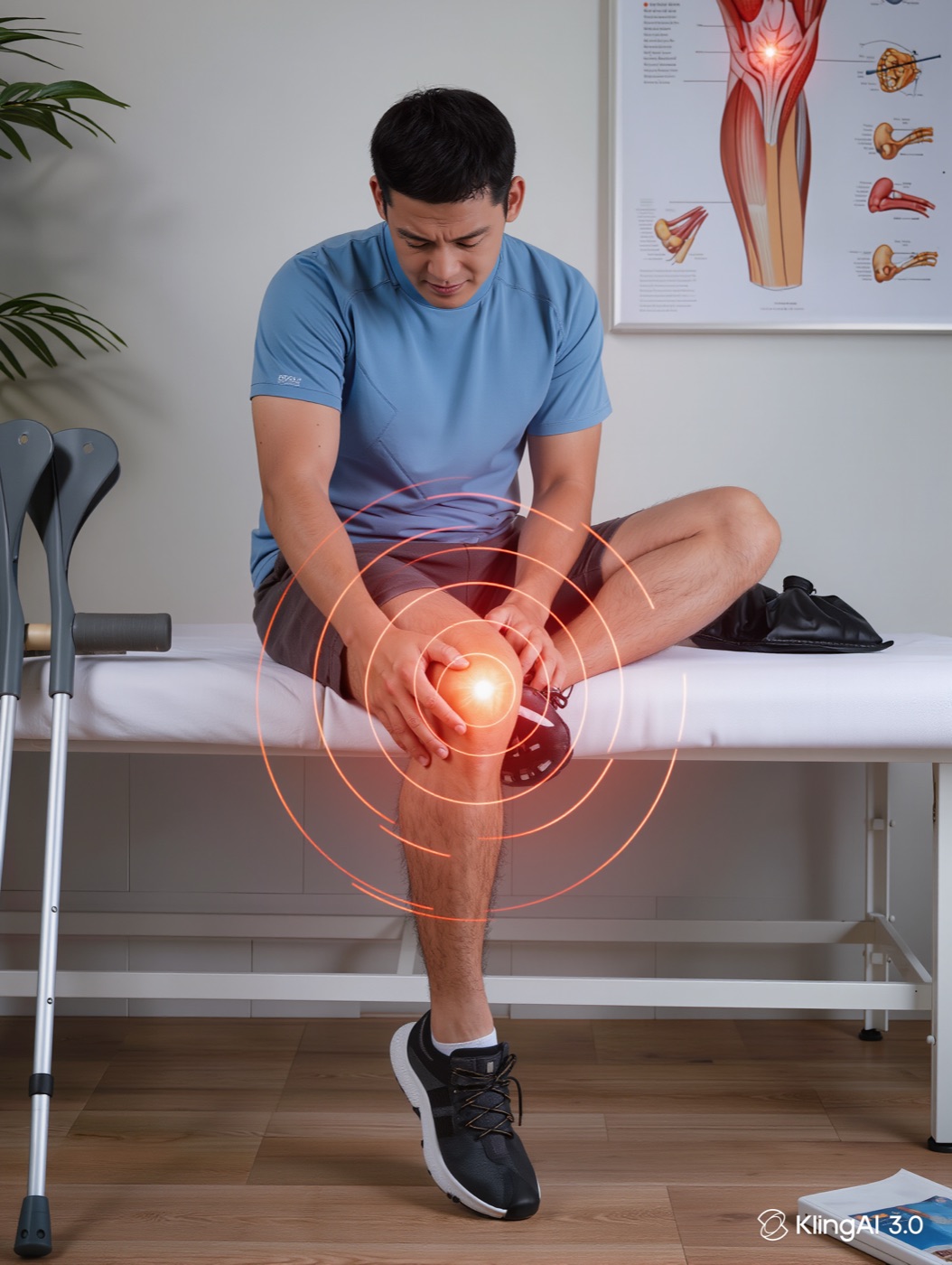
Gentle exercise helps most everyday knee aches, but some signs need a professional. See a healthcare provider if you have severe pain or swelling, a knee that locks, gives way, or can't bear weight, pain following a specific injury, or discomfort that doesn't improve after a couple of weeks of careful movement. A physical therapist can also tailor a program to your specific knee.
See It in Motion
Seen here: Super High Waist Embossed Yoga Leggings with Inner Pocket — shop it on bubblelime.com
Keep Reading
This article is for general informational purposes only and is not medical advice. It is not a substitute for professional diagnosis or treatment. Always consult a qualified healthcare provider about your individual situation, especially before making significant changes to your diet or exercise routine.