Beat the Afternoon Slump Without More Coffee
Quick Answer: The 3pm crash is a mix of your natural circadian dip and the blood-sugar drop from a carb-heavy lunch. Fix it with a 2-minute walk, a lunch built around protein and fiber, a full glass of water, and 5 minutes of daylight — all of which restore alertness for longer than caffeine does, without wrecking your sleep.
It’s 3:14pm. You’ve read the same sentence four times. Your hand is already moving toward the coffee machine and you don’t remember deciding to stand up.
Here’s the trap: caffeine has a half-life of roughly 5 hours, so a 3pm cup still has meaningful caffeine in your system at 8pm. You trade a slump now for a worse night, which guarantees a worse slump tomorrow. The afternoon crash has real causes, and most of them have gentler fixes.

Why Do You Crash at 3pm?
Two things stack on top of each other.
The circadian dip is built in. Your body runs a natural alertness trough in the early-to-mid afternoon, roughly 12 to 8 hours after you wake. It happens even to people who skip lunch entirely — it’s a rhythm, not a punishment.
Your lunch amplifies it. A refined-carb lunch (sandwich, pasta, pastry, sweet drink) spikes blood glucose and then drops it, and that drop lands right on top of the circadian dip. One is manageable. Both together is the afternoon you know.
Two smaller contributors worth naming:
- Mild dehydration. Losing even 1–2% of body water measurably reduces concentration and increases perceived fatigue — and it feels exactly like tiredness, so people reach for coffee instead of water.
- No light. Sitting under flat indoor lighting all day gives your brain almost no signal to stay in “daytime” mode.
What Actually Fixes the Afternoon Slump?
Four things, in order of how fast they work.
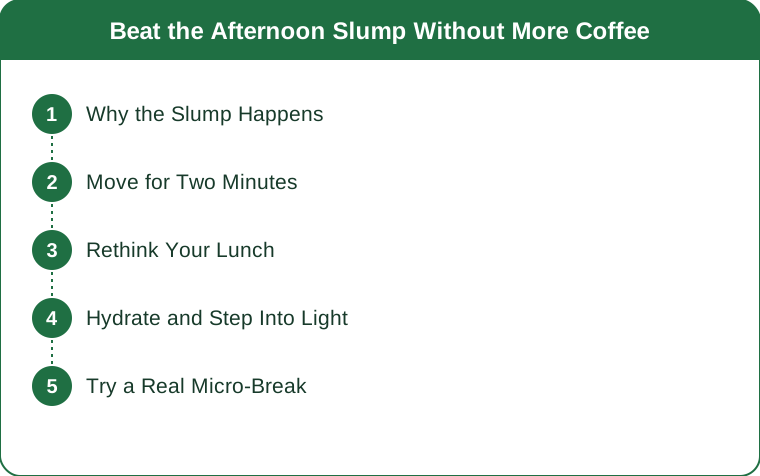
1. Move for two minutes. A lap around the block, a flight of stairs, or genuinely just standing up and stretching. Movement raises heart rate and circulation and cuts through mental fog within minutes — and unlike caffeine, the effect doesn’t come with a rebound. Two minutes is enough; you don’t need a workout.
2. Get outside for five minutes. Outdoor light on an overcast day is still 10 to 100 times brighter than a well-lit office. Pairing the walk with daylight does both jobs at once, which is why “step outside for five minutes” outperforms either one alone.
3. Drink a full glass of water. Not a sip. Before you decide you need coffee, drink 8–12 oz and give it ten minutes. A surprising share of 3pm fatigue resolves right there.
4. Take a real micro-break. Five minutes away from the screen — eyes closed, or looking out a window, or just breathing. Counterintuitively, stopping restores focus better than grinding does, because attention is a finite resource that recovers with rest and not with willpower.

What Should You Eat for Lunch to Avoid the Crash?
Build the plate around protein first, fiber second, carbs last.
A practical template:
- 25–30g of protein — chicken, fish, eggs, tofu, Greek yogurt, beans.
- A large portion of vegetables or salad for fiber, which slows glucose absorption.
- Healthy fat — olive oil, avocado, nuts.
- A modest portion of slow carbs — whole grains, sweet potato, legumes — rather than a plate built on white bread or pasta.
Order matters more than people expect: eating your protein and vegetables before the carbs on the plate produces a noticeably flatter glucose curve than eating the same food in the opposite order.
You’ll usually feel the difference within a day or two. What you eat at noon largely decides how you feel at three.
Myth vs Fact
Myth: You just need more coffee. Fact: Beyond about 400mg of caffeine a day (roughly 4 cups of brewed coffee), most people get diminishing alertness and rising anxiety and sleep disruption. The second afternoon cup is usually borrowing against tomorrow.
Myth: The afternoon dip means you didn’t sleep enough. Fact: The circadian dip happens to well-rested people too. Poor sleep deepens it, but it isn’t the cause.
Myth: A sugary snack gives you energy. Fact: It gives you 20–30 minutes and then a second, often sharper crash. If you need a snack, pair protein with fiber — apple and peanut butter, yogurt and berries.
Myth: Naps make you groggier. Fact: Naps kept to 10–20 minutes improve alertness without much grogginess. It’s the 45–90 minute nap that leaves you feeling like you’ve been hit with a shovel, because you wake mid-deep-sleep.
Myth: Pushing through builds discipline. Fact: It builds errors. A 5-minute break costs less than the 40 minutes you lose to sludgy, half-attentive work.
Make It Automatic
The reason people don’t do any of this is friction. Remove it: put a water bottle on your desk where you can see it, and keep a pair of comfortable shoes and high waist yoga leggings by the door so a 3pm walk is a 15-second decision instead of a change of clothes.
One honest caveat: if your afternoon fatigue is severe, daily, and doesn’t respond to sleep, food, and movement, that’s worth investigating rather than optimizing. Persistent fatigue can point to anemia, thyroid issues, sleep apnea, or blood sugar problems — talk to your doctor if this describes you.
Mini FAQ
How long does an afternoon slump normally last?
The circadian dip typically runs about 1–2 hours, often between 1pm and 4pm depending on your wake time. A blood-sugar crash on top of it can extend that, which is why lunch composition matters so much.
Is it bad to drink coffee after 2pm?
Not bad, but it has a cost. With a ~5-hour half-life, a 3pm cup leaves roughly a quarter of its caffeine in your system at bedtime, which reduces deep sleep even in people who fall asleep fine. If you’re sleeping poorly, this is the first thing to test.
Does exercise in the afternoon make fatigue worse?
Usually the opposite — light to moderate movement raises alertness for a couple of hours afterward. Only a genuinely hard session on top of an already-depleted day tends to leave you flatter.
TL;DR:
- The 3pm crash = circadian dip + blood-sugar drop from a carb-heavy lunch.
- Move for 2 minutes and get 5 minutes of daylight — faster and longer-lasting than caffeine.
- Drink a full glass of water before you decide you need coffee.
- Build lunch on 25–30g protein + fiber first, carbs last.
- Cap caffeine around 400mg/day and keep naps to 10–20 minutes — and see a doctor if the fatigue is daily and severe.
Keep Reading
This article is for general informational purposes only and is not medical advice. It is not a substitute for professional diagnosis or treatment. Always consult a qualified healthcare provider about your individual situation, especially before making significant changes to your diet or exercise routine.