Pilates for Beginners: A Simple At-Home Core Routine
Pilates is one of the best ways to build deep core strength — the kind that supports your back, improves posture, and makes everyday movement feel easier. The good news: you don't need a studio, a reformer, or any equipment. A mat and about 15 minutes at home is enough to get started. Here's a simple beginner core routine and how to do it well.
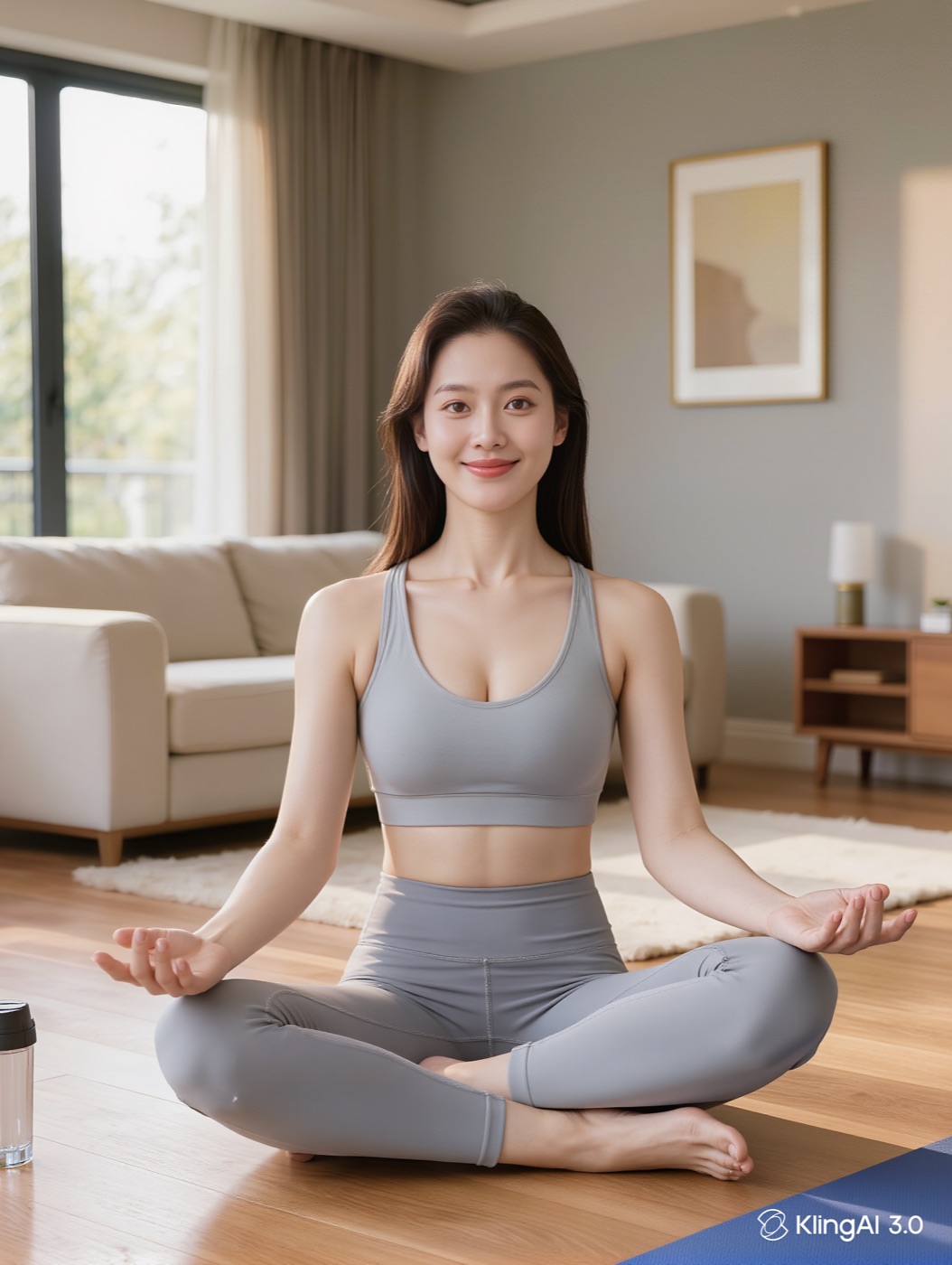
Why Pilates is great for your core
Pilates focuses on control, breathing, and quality of movement rather than speed or heavy weights. It targets the deep abdominal muscles, the pelvic floor, and the muscles along your spine — your body's natural "corset." A strong core from Pilates means better posture, less back strain, and a more stable base for every other activity, from walking to golf.
What you need
- A mat (or a soft, non-slip surface) — you'll be doing floor work.
- A little space to lie down and stretch your arms and legs.
- Comfortable, fitted activewear that moves with you and doesn't slide up during rolls and bends.
A simple beginner core routine
Move slowly and with control — Pilates is about quality, not reps rushed through. Breathe steadily, exhale as you engage your core. Start with 1 set and build up.
- Pelvic tilts (8–10 reps). Lie on your back, knees bent, feet flat. Gently flatten your lower back into the mat by tilting your pelvis, then release. This teaches you to find and engage your deep core.
- Dead bug (8 per side). On your back, arms reaching to the ceiling, knees bent at 90°. Slowly lower the opposite arm and leg toward the floor, keeping your lower back gently pressed down, then return. Control is everything.
- Glute bridge (10 reps). Feet flat, squeeze your glutes and lift your hips into a straight line from knees to shoulders, then lower slowly. Strengthens the back of the core and the hips.
- The Hundred (modified). On your back, knees bent, curl your head and shoulders slightly off the mat, arms long by your sides. Pump the arms up and down in small movements as you breathe. Start with 30–50 pumps and build to 100.
- Bird dog (8 per side). On hands and knees, extend the opposite arm and leg straight out, keeping your hips level and core tight. Hold briefly, then switch. Builds core stability and balance.
- Side-lying leg lifts (10 per side). Lie on your side, legs stacked, and lift the top leg with control. Works the hips and the often-neglected side core.
- Plank hold (15–30 seconds). Forearms and toes (or knees for an easier version), body in a straight line, belly drawn in. Quality over duration — stop when your form slips.
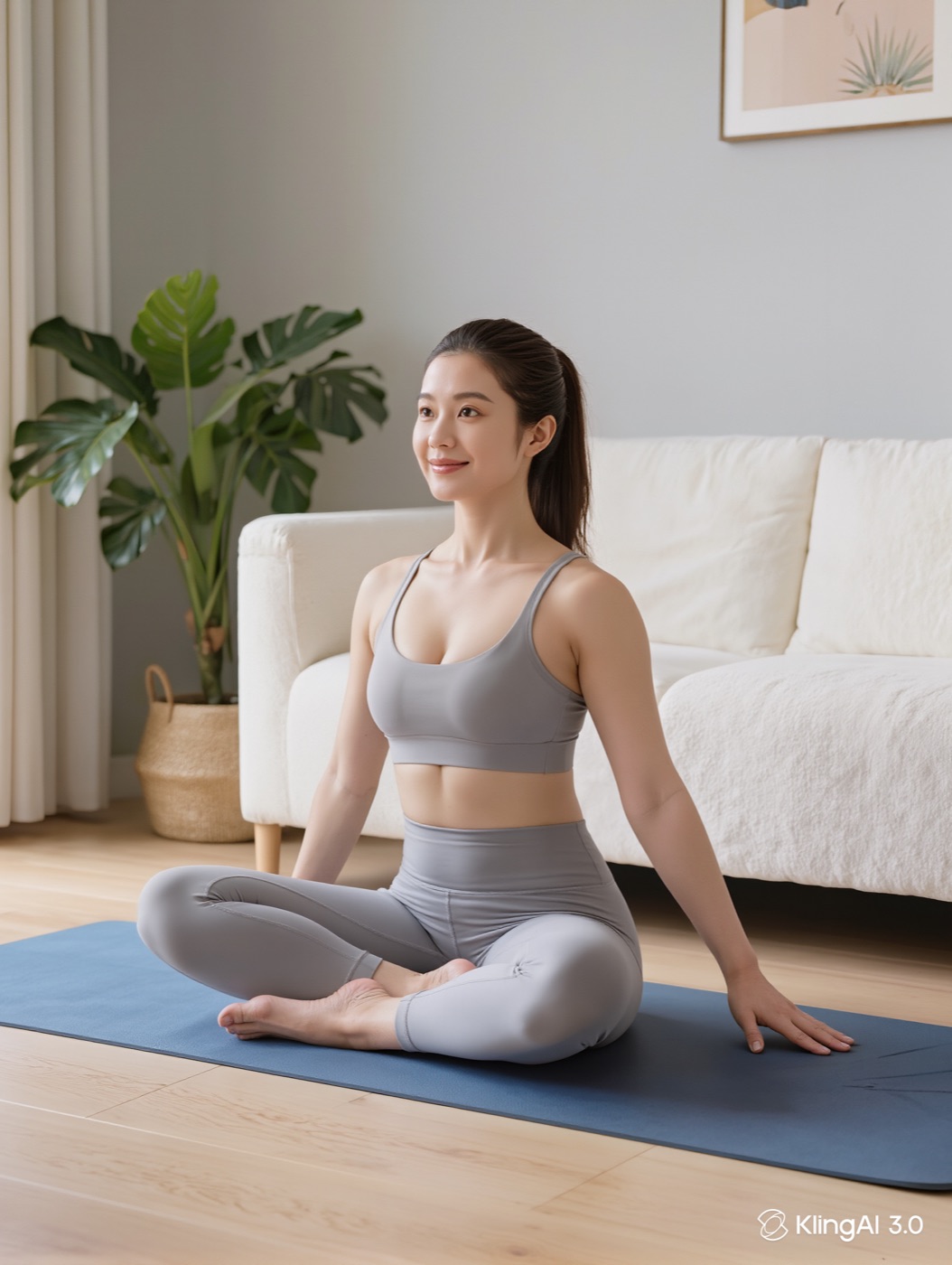
Tips for getting it right
- Breathe. Don't hold your breath — exhale on the effort. Breathing is central to Pilates.
- Engage, don't clench. Draw your belly button gently toward your spine rather than gripping hard.
- Go slow. Slow, controlled reps work the deep muscles far better than fast ones.
- Keep your back happy. Your lower back shouldn't arch up off the mat during core work — if it does, make the move smaller.
- Be consistent. Just 15 minutes, 3–4 times a week, adds up quickly.
When to check with a doctor first
Pilates is gentle and suitable for most people, but check with a healthcare provider before starting if you're pregnant, recovering from an injury or surgery, or have ongoing back problems. Stop any movement that causes sharp or lasting pain, and ease back gradually.
See It in Motion
Seen here: High Waist 8” Yoga Shorts — shop similar styles on bubblelime.com
Keep Reading
This article is for general informational purposes only and is not medical advice. It is not a substitute for professional diagnosis or treatment. Always consult a qualified healthcare provider about your individual situation, especially before making significant changes to your diet or exercise routine.