How to Protect Your Skin From Sun Damage This Summer
Quick Answer: To protect your skin from sun damage, apply broad-spectrum SPF 30+ every morning — a nickel-sized amount for your face, a shot glass for your body — and reapply every two hours outdoors. Add shade during peak hours, a wide-brim hat, UV sunglasses, and lightweight cover-ups. UV passes through clouds, so daily is genuinely daily.
Sunshine feels wonderful and a little time outdoors is good for you. That part is real.
What’s also real: unprotected UV exposure is one of the largest contributors to premature skin aging and long-term skin damage — and almost all of it is preventable with about ninety seconds of daily effort.
Why Does Sun Protection Matter So Much?
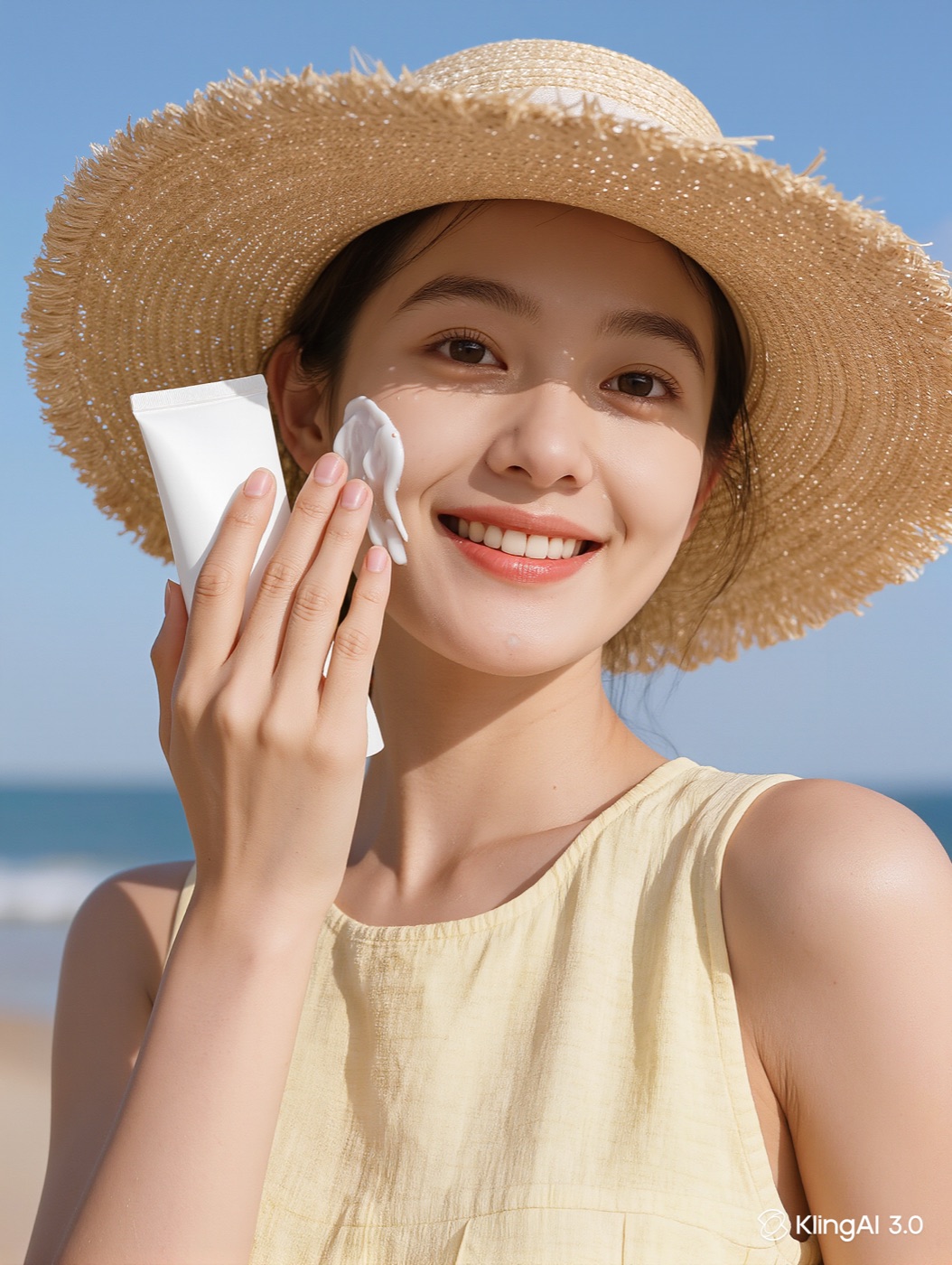
The sun gives off ultraviolet (UV) rays that reach your skin even on cloudy days. Over time, unprotected exposure leads to sunburn, dark spots, fine lines, loss of firmness, and more serious skin damage.
The reason it’s worth caring about now rather than later is simple: preventing sun damage is easy and undoing it is hard. Everything on the market for treating pigmentation and lost firmness is slower, costlier, and less effective than the sunscreen you could have applied.
How Do You Use Sunscreen Correctly?
Sunscreen is the everyday front line, and most people undermine it in the same three ways.
- Choose broad-spectrum protection, which guards against both UVA (aging) and UVB (burning) rays.
- Use SPF 30 or higher for daily summer wear.
- Apply enough — this is the big one. Most people use a fraction of what’s needed, which means an SPF 50 delivers something closer to SPF 15 in practice. Aim for a nickel-sized amount for your face and a shot glass for your body.
- Reapply every two hours outdoors, and immediately after swimming or heavy sweating. No sunscreen is genuinely waterproof.
- Don’t skip cloudy days. UV passes through cloud cover. Daily means daily.
The spots everyone misses: ears, the back of the neck, the tops of feet, the hairline part, and the strip between your sunglasses and your hairline.

What Habits Matter Beyond Sunscreen?
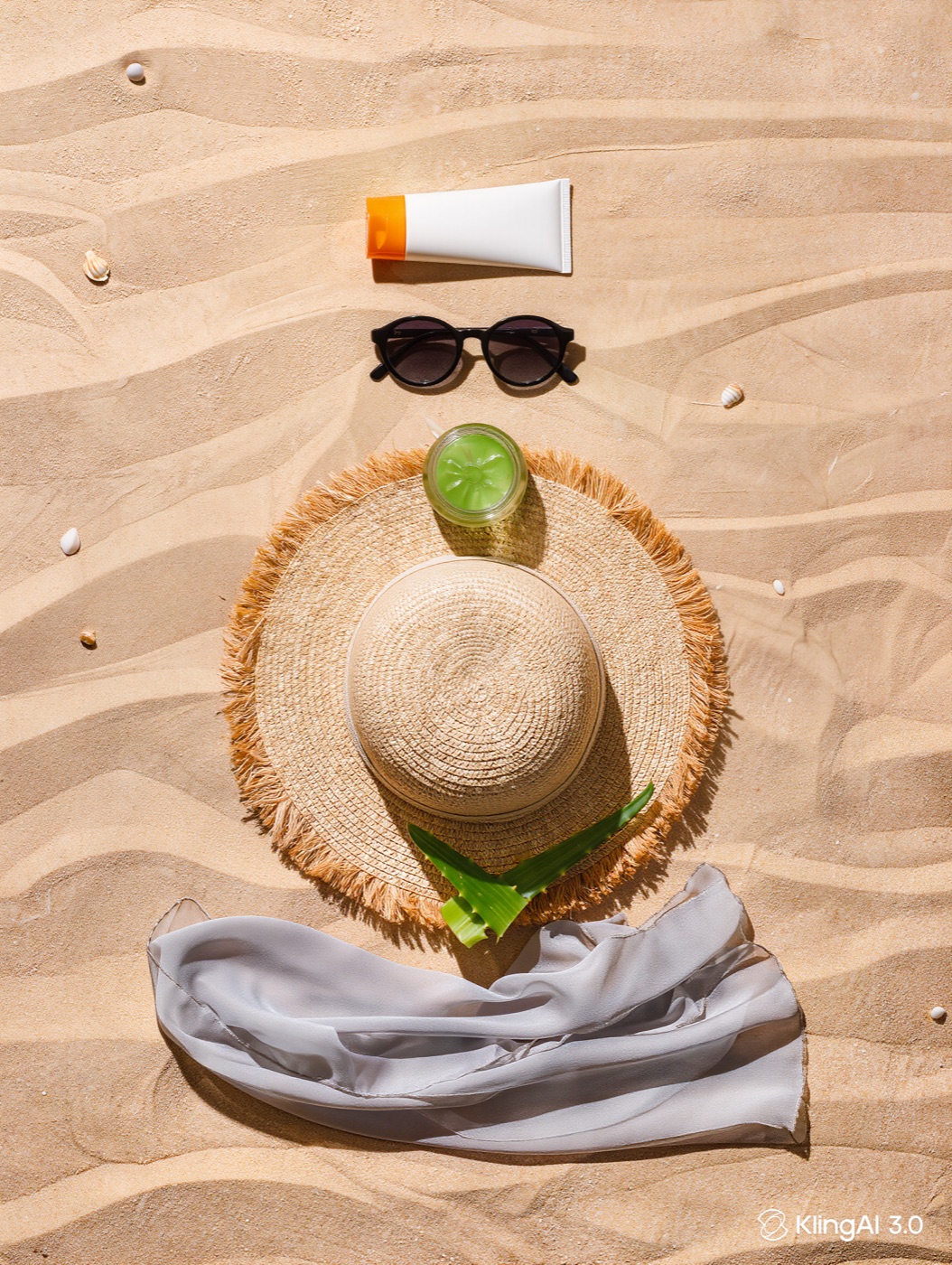
Sunscreen works best as part of a team, not alone.
- Seek shade during peak UV hours — typically late morning to mid-afternoon. Timing your outdoor plans around this does more than any product.
- Wear a wide-brim hat. It shields face, ears, and neck simultaneously. A baseball cap leaves your ears and neck exposed.
- Protect your eyes with UV-blocking sunglasses. The skin around the eyes is thin and shows damage early, and your eyes themselves benefit.
- Cover up with lightweight, breathable long sleeves or sun-protective clothing when you’ll be out for a while. Fabric doesn’t need reapplying.
- Be extra careful near water and sand. Both reflect and intensify UV — you can burn in the shade of an umbrella at the beach.
Myth vs Fact
Myth: “You don’t need sunscreen on cloudy days.” Fact: A significant share of UV passes straight through cloud cover. Overcast days cause plenty of unnoticed cumulative exposure.
Myth: “A base tan protects you.” Fact: A tan is your skin’s response to damage that has already happened, and it offers only a tiny amount of protection — nowhere near enough to rely on.
Myth: “Higher SPF means you can stay out longer.” Fact: SPF 50 blocks marginally more UV than SPF 30, not almost double. Reapplication schedule and the amount you apply matter far more than the number on the bottle.
Myth: “Sunscreen blocks all your vitamin D.” Fact: In real-world use, people applying sunscreen still produce vitamin D — partly because most of us under-apply. If you’re concerned, discuss diet or supplements with your provider rather than skipping protection.
How Do You Care for Skin After Sun Exposure?
Even with the best intentions, you’ll occasionally catch extra sun. If your skin feels warm or looks pink:
- Cool it down with a lukewarm shower.
- Apply a gentle moisturizer or aloe vera to soothe.
- Drink plenty of water — sun exposure is dehydrating.
- Avoid further sun until it settles, and skip harsh scrubs, exfoliants and retinoids while it heals.
Do Foods Help Protect Your Skin?
They support it — as a complement, never a substitute.
Colorful antioxidant-rich fruits and vegetables (tomatoes, berries, leafy greens, carrots, bell peppers) and healthy fats from avocado, nuts and fatty fish all give your skin useful building blocks. Staying well hydrated helps too.
Think of food as background support for resilience. Sunscreen is still the thing doing the work.

FAQ
How much sunscreen should you actually use?
Roughly a nickel-sized amount for the face and neck, and about a shot glass (one ounce) for the whole body. Most people apply a quarter to half of this, which is why real-world protection falls well short of the label.
Does makeup with SPF count?
Only partly. The SPF in foundation is real, but nobody applies makeup thickly enough to reach the labeled protection. Use a dedicated sunscreen underneath and treat SPF makeup as a bonus.
Is mineral or chemical sunscreen better?
Both work when applied properly. Mineral (zinc oxide, titanium dioxide) tends to suit sensitive skin and works immediately; chemical formulas are lighter and blend more easily. The best one is the one you’ll actually apply every day.
When should you see a professional?
Get to know your skin and watch it. See a dermatologist for a new or changing mole, a spot that won’t heal, or anything that looks unusual. Regular skin checks are a smart habit, especially if you spend a lot of time outdoors or have a history of sunburns.
TL;DR:
- Broad-spectrum SPF 30+, every morning, cloudy days included.
- Apply enough: nickel-sized for the face, a shot glass for the body — under-applying is the most common mistake.
- Reapply every two hours outdoors, and after swimming or sweating.
- Add shade during peak hours, a wide-brim hat, UV sunglasses, and cover-ups.
- Water and sand reflect UV — you can burn under an umbrella.
- After too much sun: cool shower, gentle moisturizer or aloe, water, no scrubs.
- New or changing moles, or spots that won’t heal, get a dermatologist’s eye.
Keep Reading
This article is for general informational purposes only and is not medical advice. It is not a substitute for professional diagnosis or treatment. Always consult a qualified healthcare provider about your individual situation, especially before making significant changes to your diet or exercise routine.