Stiff Back of the Neck: Stretches, Relief, and Better Posture
Quick Answer: Tension at the back of the neck is almost always overworked muscles from a forward-head position, not a spine problem. The fastest relief: 10–15 minutes of heat, then chin tucks and a gentle side stretch held 20–30 seconds each. The fix that keeps it away: raise your screen to eye level and change position every 30–45 minutes.
That tight, achy band across the base of your skull. The one that makes you roll your head and press your thumbs into it about forty times a day.
It’s one of the most common everyday aches there is, it’s usually muscular, and it responds well to about ten minutes of the right things.
Why Does the Back of Your Neck Feel Tight?
Your head weighs 10–12 pounds. Held directly over your shoulders, the muscles at the base of your skull barely work. Tip it forward 30 degrees to look at a phone and the effective load on those muscles multiplies several times over.
Hold that for a few hours a day, most days, and the muscles simply stop letting go. That’s the tight band you’re feeling.
The usual causes:
- “Tech neck.” Looking down at a phone or laptop for hours. The single biggest contributor for most people.
- Staying in one position. Muscles held still get stiff whether or not the position is “correct.” A full workday without changing posture does it. So does sleeping at an odd angle.
- Stress. We genuinely carry tension in the neck and shoulders. A hard week shows up as a tight neck by Thursday.
- Cold drafts or poor pillow support. Both leave the neck tight, especially first thing in the morning.
What Stretches Relieve Back-of-Neck Tension?
Move slowly and never force it — a good stretch feels like relief, not pain. Hold each for 20–30 seconds and keep breathing.
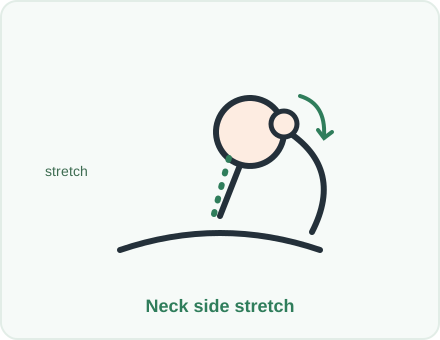
- Neck side stretch. Sit tall, gently tilt your right ear toward your right shoulder until you feel a mild stretch along the left side of your neck. For a bit more, rest your right hand lightly on your head — resting, not pulling. Switch sides.
- Chin tucks. Without tipping your head, draw your chin straight back to make a gentle “double chin.” This directly counteracts the forward-head position behind most back-of-neck tension. 8–10 slow reps. If you do only one thing on this list, do this one.
- Look-down stretch. Drop your chin slowly toward your chest and hold, feeling the stretch travel down the back of the neck.
- Levator scapulae stretch. Turn your head about 45° (as if looking toward your armpit), then gently drop your gaze down. This targets the muscle running from the neck to the shoulder blade — a reliably tight spot.
- Shoulder rolls. Roll your shoulders backward in slow circles, 10 reps, to loosen everything above the shoulder blades.

What Relieves Neck Tension Fast at Home?
- Heat first. A warm shower, heat pack, or warm towel on the back of the neck for 10–15 minutes relaxes tight muscle before you stretch. Stretching cold, tight muscle is why stretching sometimes feels like it does nothing.
- Keep moving. Every 30–45 minutes, stand up, roll your shoulders, do a couple of chin tucks. Motion is one of the best remedies for a stiff neck, and it beats any single long stretching session.
- A little self-massage. Fingertips, or a tennis ball against a wall, working the muscles at the base of the skull and along the tops of the shoulders. Two or three minutes is plenty.
- Fix your pillow. You want the neck level with the spine — not propped up high. Side sleepers usually need more loft than back sleepers. A pillow that’s too tall is a very common overnight cause.
- Let the stress out. A few slow breaths through a busy day genuinely lets the shoulders drop. Sounds trivial; the shoulders were up around your ears and you hadn’t noticed.
Myth vs Fact
Myth: “Cracking your neck releases the tension.” Fact: The relief is brief and comes from the joint, not the tight muscle. It doesn’t address the cause, and aggressive self-manipulation isn’t a great habit. Stretch and move instead.
Myth: “You need perfect posture.” Fact: The best posture is the next one. Changing position often matters more than holding any single “correct” position for hours.
Myth: “A stiff neck means a disc problem.” Fact: The overwhelming majority of back-of-neck stiffness is muscular. Disc-related issues typically come with numbness, tingling or weakness travelling into the arm — a different picture entirely.
Myth: “Stretch harder for faster relief.” Fact: Aggressive stretching on an irritated neck usually makes it worse. Gentle, frequent, and warm beats hard and occasional.
What Posture Changes Actually Prevent It?
Stretches give relief; posture stops it coming back. The single biggest fix is bringing your screen up so you’re not looking down all day.
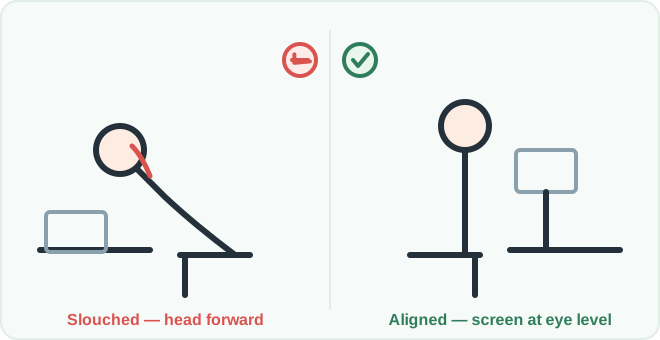
- Raise your screen to eye level. The top of the monitor should sit roughly at eye height so your head stays balanced over your shoulders. Books or a stand work fine; on a laptop, add an external keyboard so the screen can go up without your hands following.
- Hold your phone higher. Bring the phone up toward your face instead of dropping your head to it. Yes, your arm gets tired. Your neck was doing more work.
- Stack your head over your shoulders. Imagine a string gently lifting the crown of your head; let your chin settle back into that chin-tuck position.
- Set a timer. Thirty to forty-five minutes, then move. This one change does more than any ergonomic purchase.

FAQ
How long should a stiff neck take to resolve?
Everyday muscular stiffness usually eases noticeably within a few days with heat, gentle stretching and better positioning, and settles within one to two weeks.
Is heat or ice better for a stiff neck?
Heat, in most cases — it relaxes tight muscle and improves blood flow. Ice is the better choice in the first day or two after an actual injury, or if there’s visible swelling.
Can a stiff neck cause headaches?
Yes. Tension in the muscles at the base of the skull commonly refers pain up into the back of the head and behind the eyes. Easing the neck often eases that type of headache.
When should you see a doctor?
See a healthcare provider if the pain is severe, hasn’t improved after a couple of weeks, or comes with any of these: numbness, tingling or weakness spreading into your arm or hand; a stiff neck with fever or a severe headache; or stiffness that follows a fall or injury. Those signs deserve a proper assessment rather than a wait-and-see.
TL;DR:
- Back-of-neck tension is almost always overworked muscle from a forward-head position.
- Heat for 10–15 minutes first, then stretch — cold tight muscle doesn’t release well.
- Chin tucks (8–10 reps) are the highest-value single exercise.
- Hold stretches 20–30 seconds; gentle and frequent beats hard and occasional.
- Move every 30–45 minutes; the best posture is the next one.
- Raise your screen to eye level and hold your phone higher.
- Numbness or weakness into the arm, fever with stiffness, or stiffness after a fall — see a provider.
Keep Reading
This article is for general informational purposes only and is not medical advice. It is not a substitute for professional diagnosis or treatment. Always consult a qualified healthcare provider about your individual situation, especially before making significant changes to your diet or exercise routine.