The 3 PM Slump Is Actually Two Different Problems Wearing One Disguise
Quick Answer: The 3 p.m. slump is two different problems that feel identical. One is a blood sugar crash arriving 1–2 hours after a carb-heavy lunch. The other is a circadian dip in alertness that happens to almost everyone regardless of food. They need opposite fixes, which is why generic slump advice so often does nothing.
Same time every afternoon, same heavy-eyelid feeling, same reach for coffee. Same disappointing result forty minutes later.
The advice everyone gives assumes there’s one slump. There are two, they look identical from the inside, and the fix for one does very little for the other.

Why Doesn’t One Fix Work for Both Versions?
Because the two versions have unrelated causes.
Version one: the blood sugar crash. A carb-heavy lunch — a big sandwich, pasta, rice bowl — produces a rise in blood glucose followed by a decline. The dip lands roughly one to two hours after eating, and it tends to feel foggy, sometimes slightly shaky, occasionally accompanied by renewed hunger. It’s food-driven, and it’s tied to what and when you ate.
Version two: the circadian dip. Human alertness follows a daily rhythm with a genuine mid-afternoon trough, and it happens to nearly everyone regardless of what they ate. It feels less foggy and more flatly low-alert — you’re not confused, you just have no drive. It’s tied to the clock, not the plate.
The reason the fix matters: caffeine and a sugary snack can push you through the circadian dip reasonably well, but a sugary snack for a blood sugar crash sets up the next crash. And a protein snack does very little for a circadian trough, which isn’t a fuel problem at all.
So the same intervention lands anywhere from mildly helpful to actively counterproductive depending on which version you actually have. That’s why “fix your afternoon slump” advice has such an inconsistent hit rate.
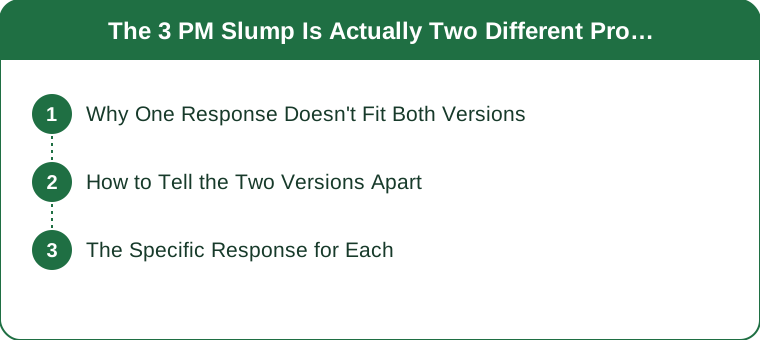
How Do You Tell the Two Versions Apart?
Four checks. Run them over about a week — you’ll know quickly.
1. What and when did you eat? If the slump reliably arrives 1–2 hours after a carb-heavy lunch, that’s the strongest single clue for the blood sugar version.
2. Does it still happen on light-eating days? This is the decisive test. Have a protein-and-vegetable lunch with minimal refined carbs, and see whether the slump still shows up. If it does, it’s circadian. If it largely disappears, it was food.
3. What does the tiredness feel like? Foggy, shaky, hungry, a bit irritable points toward blood sugar. Flat, low-drive, heavy-eyed but otherwise clear-headed points toward circadian.
4. Does it hit at a consistent clock time or a consistent post-meal interval? Circadian tracks the clock — same time whether you ate at 12 or at 1. Blood sugar tracks the meal, so it moves when lunch moves.
Check 4 is the elegant one, because it separates the two without changing anything about your day. Just note lunch time and slump time for a week.
Plenty of people have both, in which case the checks tell you which one dominates.

5 Mistakes Everyone Makes With the Afternoon Slump
- More caffeine as the default. It works better for one version than the other, and late-afternoon caffeine can degrade the sleep that feeds tomorrow’s energy.
- A sugary snack for a blood sugar crash. Short relief, then the same crash again ninety minutes later.
- Skipping lunch entirely. Removes the crash and replaces it with a different energy problem.
- Assuming it means poor sleep. The circadian dip happens to well-rested people too.
- Powering through in the same chair. The third mistake surprises people, but this is the one that costs the most hours: no light, no movement, no input change, for two hours of low output.
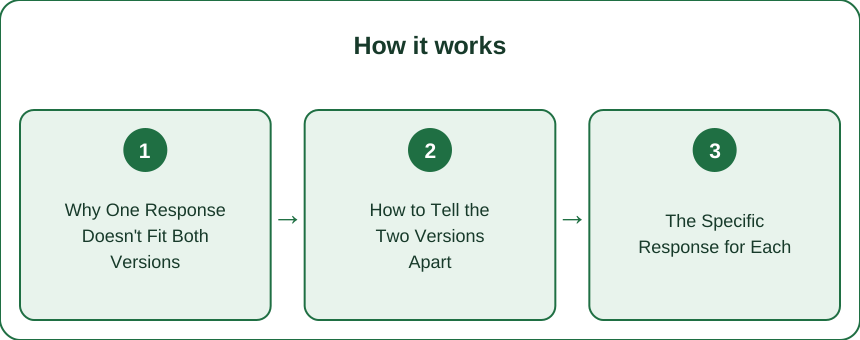
What’s the Right Response for Each?
If it’s the blood sugar version:
- Right now: a protein-and-fiber snack rather than something sugary — nuts, yogurt, an apple with peanut butter. It steadies things without setting up the next dip.
- Going forward: reduce refined carbs at lunch and add protein, fat, and fiber. A rice bowl becomes a rice bowl with more protein and vegetables. You don’t need to eliminate carbs, just stop making them the whole meal.
- Also: a shorter gap between meals helps some people, as does eating a slightly smaller lunch.
If it’s the circadian version:
- A short walk — even 10 minutes. Movement raises alertness in a way sitting with coffee doesn’t.
- Bright light, ideally outdoors. This is genuinely one of the most effective and least used interventions available.
- A brief nap of 10–20 minutes if your situation allows. Keep it short; longer naps produce grogginess and can interfere with night sleep.
- Schedule around it. Put low-cognitive tasks — admin, email, filing — in the trough, and protect your morning for demanding work. Working with the rhythm beats fighting it.
The walk is the highest-value single action for the circadian version, and lowering the friction on it matters more than the details. Comfortable clothes you can actually walk in — high waist leggings rather than something you have to change out of — is a small thing that decides whether a 10-minute walk happens daily or never.
When to see a professional: persistent daytime fatigue that doesn’t respond to either approach, or that’s worsening, deserves a medical assessment — thyroid issues, anemia, sleep apnea, and diabetes all present this way. This is general information, not medical advice.
FAQ
Is the afternoon slump caused by poor sleep?
Insufficient sleep makes it worse, but the circadian dip occurs in well-rested people too. If you’re consistently under-slept, fix that first and re-run the checks afterward.
Does coffee help the afternoon slump?
It helps the circadian version more than the blood sugar version. Watch the timing though — caffeine has a long half-life, and late-afternoon coffee can undermine the sleep behind tomorrow’s energy.
How long should an afternoon nap be?
10–20 minutes. Long enough to lift alertness, short enough to avoid deep-sleep grogginess and to leave your night sleep alone.
TL;DR
- Two different problems, one feeling: a post-lunch blood sugar crash, and a circadian dip in alertness.
- Tell them apart by meal timing, whether it persists on light-eating days, how the tiredness feels, and whether it tracks the clock or the meal.
- Blood sugar version: protein-and-fiber snack now, less carb-heavy lunch going forward.
- Circadian version: short walk, bright light, or a 10–20 minute nap — and schedule easy work into the trough.
- See a doctor for persistent or worsening fatigue that neither approach touches.
Keep Reading
This article is for general informational purposes only and is not medical advice. It is not a substitute for professional diagnosis or treatment. Always consult a qualified healthcare provider about your individual situation, especially before making significant changes to your diet or exercise routine.