Why Your Hips Feel Tight All Day Even Though You're Just Sitting
Quick Answer: Sitting for extended periods keeps the hip flexors in a shortened position for hours at a time, and muscles held in a shortened position adapt by tightening — this is why hip tightness from desk work isn’t really about a lack of stretching, it’s about hours of sustained shortening that a few minutes of stretching can’t fully offset.
You stretch your hips most mornings and they’re tight again by early afternoon, which feels discouraging — but that pattern actually makes sense once you understand what’s driving the tightness in the first place.

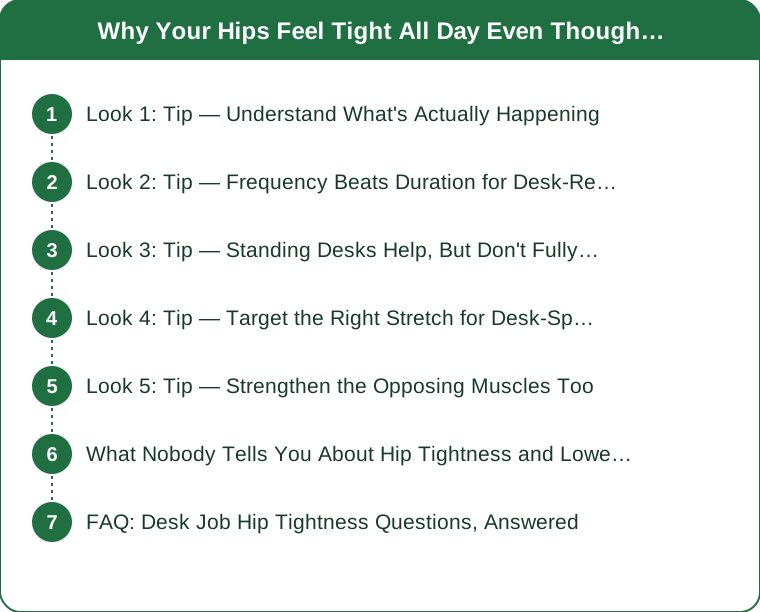
Look 1: Tip — Understand What’s Actually Happening
Hip flexors, especially the psoas, stay in a shortened position throughout sitting, and connective tissue adapts to whatever position it holds most consistently — hours of shortened position each day outweighs a five-minute morning stretch in the same way that hours of slouching outweighs briefly sitting up straight.
Look 2: Tip — Frequency Beats Duration for Desk-Related Tightness
Standing up and doing a brief hip extension every 45-60 minutes throughout the workday interrupts the sustained shortening far more effectively than one longer stretching session at the start or end of the day, since it directly targets the actual cause (duration of shortened position) rather than trying to reverse it after the fact.
Look 3: Tip — Standing Desks Help, But Don’t Fully Solve It
Standing desks reduce total sitting time but don’t eliminate hip flexor tightness on their own if you still stand in a static, hip-flexed-forward posture for hours — movement variety (shifting positions, occasional walking breaks) matters more than simply trading sitting for standing.

Look 4: Tip — Target the Right Stretch for Desk-Specific Tightness
A kneeling hip flexor stretch, holding 30-60 seconds per side, directly targets the psoas shortening that sitting causes, and is generally more effective for desk-related tightness than general full-body stretching routines that don’t specifically isolate hip extension.
Look 5: Tip — Strengthen the Opposing Muscles Too
Glute strength work (bridges, hip thrusts) supports better hip positioning throughout the day by counterbalancing tight, overactive hip flexors with stronger, more engaged glutes — addressing both sides of this muscular relationship works better than stretching alone.
What Nobody Tells You About Hip Tightness and Lower Back Pain
Chronically tight hip flexors can pull the pelvis into a forward tilt that increases strain on the lower back, meaning some ‘lower back tightness’ from desk work is actually a downstream effect of hip flexor tightness rather than a separate issue — addressing hip flexor tightness sometimes improves lower back discomfort as a secondary benefit.
FAQ: Desk Job Hip Tightness Questions, Answered
How often should I get up from my desk to prevent hip tightness?
Most guidance suggests standing and moving briefly every 45-60 minutes, even if it’s just a short walk to refill water.
Is hip tightness from sitting dangerous, or just uncomfortable?
Generally it’s a comfort and mobility issue rather than a dangerous one, though persistent pain (rather than just tightness) is worth having evaluated by a doctor or physical therapist.
Do standing desk converters actually reduce hip tightness?
They can help by reducing total sitting time, but pairing them with regular position changes and hip flexor stretching produces better results than a standing desk alone.
TL;DR:
- Hours of shortened hip flexor position, not lack of stretching, drives desk-related tightness
- Frequent brief breaks every 45-60 minutes beat one long stretch session
- Standing desks help but don’t fully solve tightness without movement variety
- Glute strengthening addresses the muscular imbalance that stretching alone doesn’t
This is general information, not medical advice — persistent hip or back pain deserves evaluation by a physical therapist or doctor rather than stretching alone.
Keep Reading
This article is for general informational purposes only and is not medical advice. It is not a substitute for professional diagnosis or treatment. Always consult a qualified healthcare provider about your individual situation, especially before making significant changes to your diet or exercise routine.