Simple Daily Habits for More Energy (That Actually Work)
Quick Answer: Steady energy all day comes from six habits, not from more caffeine: consistent sleep (same wake time, 7–9 hours), daily movement (even a 10-minute walk), enough water (fatigue is often mild dehydration), meals built on protein and fiber instead of refined carbs, real breaks with daylight, and active stress management. Pick one and hold it for two weeks — stacking all six at once is why most energy plans collapse by Thursday.
The 3pm wall arrives on schedule. You reach for coffee number three, get 90 good minutes, then feel worse than before — and later that night you’re wired at 11pm and exhausted at 7am.
That loop isn’t a caffeine problem. It’s what happens when caffeine is doing a job that four other habits were supposed to be doing.

Why doesn’t coffee fix low energy?
Caffeine doesn’t create energy — it blocks the chemical signal (adenosine) that tells you you’re tired. The tiredness is still accruing behind the block; you’re borrowing against it, and it comes due with interest around 4pm.
Real energy comes from the boring infrastructure: sleep, movement, hydration, nourishment, recovery and stress. That’s not a moralistic point, it’s a mechanical one. Support those and you get a flat, steady line through the day instead of the spike-and-crash rollercoaster.
The good news is that the fixes are unglamorous and small. Consistent healthy habits beat heroic interventions here, every time.
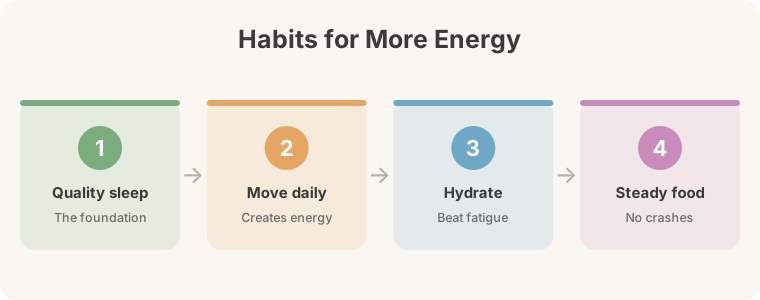
What are the daily habits that actually boost energy?
1. Protect your sleep — and your wake time especially
The foundation of everything else. Aim for 7–9 hours, but if you change only one thing, make it a consistent wake time, seven days a week. Your body clock is anchored more strongly by when you wake than by when you go to bed, and an inconsistent wake time produces a low-grade jet lag that no amount of coffee resolves.
Two supporting moves: daylight within 30 minutes of waking (10 minutes outside beats an hour of indoor light), and a caffeine cutoff about 8 hours before bed — caffeine’s half-life is roughly 5–6 hours, so a 3pm coffee is still meaningfully present at 11pm.
2. Move your body daily
It feels backwards, but movement creates energy. Circulation improves, mood lifts, and alertness rises for hours afterward. You don’t need a workout: a 10-minute walk after lunch is one of the most reliable afternoon-slump interventions there is, and it beats a coffee for the 3pm dip.
If you sit for work, stand and move for 2–3 minutes every hour. That single habit changes how the last two hours of a workday feel.
3. Drink enough water
Mild dehydration causes fatigue — and it’s routinely mistaken for tiredness or hunger. Even losing a small percentage of body water measurably affects concentration and perceived effort.
Practical version: a glass of water when you wake, one with each meal, and a bottle within arm’s reach at your desk. If you only notice thirst when you’re already foggy, you’re behind.
4. Eat for steady energy, not spikes
A refined-carb lunch produces a blood sugar spike and a matching crash about 90 minutes later — which is the 3pm wall for a lot of people.
The fix is structural: protein + fiber + some fat at every meal. Roughly 20–30g of protein at breakfast and lunch flattens the curve dramatically. And don’t skip breakfast and then eat a large lunch — that’s a reliable recipe for an afternoon written off.
Snack pairings that work: apple with peanut butter, yogurt with nuts, hummus with vegetables. Sugar alone is a loan, not an income.
5. Take real breaks, outdoors
Short breaks recharge attention in a way that scrolling does not — a screen break spent on a different screen isn’t a break. Step outside. Daylight and fresh air are genuine energizers, and even five minutes resets things.
A workable rhythm: roughly every 90 minutes, get up, move, look at something more than 20 feet away. Your eyes and your focus both benefit.
6. Manage stress deliberately
Chronic stress is exhausting in a literal, physiological sense — it keeps your system on alert and disrupts sleep, which then compounds everything above.
You don’t need an hour of meditation. Three to five minutes of slow breathing (longer exhales than inhales), a short walk without your phone, or genuinely stopping at the end of a workday all count. The key is that it’s deliberate rather than accidental.

5 Mistakes Everyone Makes When Chasing More Energy
- Changing all six habits on Monday. By Thursday you’ve abandoned the lot. Pick one, hold it two weeks, then add the next.
- Treating the afternoon crash as a caffeine deficit. It’s usually lunch composition or a sleep debt. Coffee at 3pm buys the afternoon and costs the night.
- Sleeping in on weekends to “catch up.” A two-hour shift on Saturday and Sunday resets your clock and makes Monday genuinely harder.
- Skipping meals to save time. Big gaps followed by big meals is the spike-crash pattern in its purest form.
- Doing nothing about stress because you don’t have time to. The third mistake catches most people, but this one is the quiet compounding cost — stress steals the sleep that was going to fix the tiredness.
Mini FAQ
How long until new energy habits actually work?
Hydration and a post-lunch walk can shift your afternoons within a few days. Sleep consistency takes about two weeks to show its full effect, since your body clock adjusts gradually. Nutrition changes usually show up as a less severe afternoon dip within the first week.
What’s the best quick fix for the 3pm slump?
A 10-minute walk outside, ideally in daylight, plus a glass of water. It sounds too simple to work and consistently outperforms coffee — partly because it doesn’t cost you your evening sleep. If you’re genuinely hungry, add a protein-plus-fiber snack rather than something sweet.
When should I see a doctor about fatigue?
If tiredness persists despite consistent sleep, movement and reasonable nutrition — or if it’s severe, sudden, or comes with weight change, breathlessness, hair loss, low mood, or heavy periods — get it checked. Thyroid issues, iron deficiency, sleep apnea and depression are all common, treatable, and easy to mistake for “bad habits.”
TL;DR:
- Caffeine borrows energy; habits build it.
- Consistent wake time + morning daylight is the highest-leverage sleep fix.
- A 10-minute walk beats coffee for the afternoon slump.
- Fatigue is often mild dehydration — water at wake, with meals, and at your desk.
- 20–30g protein + fiber per meal flattens the spike-crash curve.
- Real breaks outdoors, and 3–5 minutes of deliberate stress relief.
- Change one habit at a time, two weeks each.
Steady energy, naturally — built out of six unremarkable habits repeated on ordinary days.
This article is for general wellness purposes only and isn’t medical advice.
Keep Reading
This article is for general informational purposes only and is not medical advice. It is not a substitute for professional diagnosis or treatment. Always consult a qualified healthcare provider about your individual situation, especially before making significant changes to your diet or exercise routine.